





With more folks looking for top-quality materials these days, attention’s really starting to shift toward the Titanium Black Tube market. These tubes are pretty popular because of their strength and resistance to corrosion — they hold up well in tough conditions. Come 2026, a bunch of OEM manufacturers are really stepping up their game in this industry. They’re offering products that meet all kinds of standards, so there’s a good variety for different uses. Each factory has its own style and expertise, so it’s really worth doing your homework and checking out what each one can do.
Trying to find reliable Titanium Black Tube suppliers can feel a bit overwhelming sometimes. A lot of factories will boast about their quality, but honestly, not all of them follow through. That’s why it’s super important to go for companies with a solid track record. Lots of businesses claim they’re the best, but the proof’s in the pudding, right? Reading customer reviews and asking for samples can really give you a better idea of what you’re getting.
When you’re looking into options, names like XYZ Titanium and ABC Metals tend to stand out—they mix cutting-edge tech with experienced workers. That said, there’s still some inconsistency when it comes to quality control. Not every manufacturer hits the mark every single time, which just goes to show you gotta keep evaluating your options. Staying vigilant is key if you want to land the best Titanium Black Tube at a good price and quality—don’t rush it.
Now, picking the right supplier isn’t always straightforward. The market is pretty crowded, and not everyone plays by the same rules. Things like manufacturing techniques, material quality, and customer service matter a ton. A lot of suppliers talk a big game, claiming to be the best, but it’s really about telling who the real pros are—that’s the key to building a solid partnership.
In this article, we’ll walk you through the top 10 high-quality ODM suppliers for Stainless Steel Legs. We’ll look at what they do well, where they might fall short, and how they’re viewed in the industry. Whether you’re all about innovation or just need reliable quality, this list should help you figure out your options and make smarter decisions.
Key Attributes of High-Quality OEM Titanium Black Tubes
When exploring OEM titanium black tubes, several key attributes define high quality. The production process is paramount. Advanced vacuum melting and precision machining contribute to uniformity and strength. According to industry reports, the tensile strength of high-quality titanium can exceed 900 MPa. This ensures durability in critical applications, especially in aerospace and medical industries.
The surface finish is another vital aspect. Enhanced oxidation resistance and a consistent coating layer improve longevity and performance. A study by the Titanium Association notes that surface defects can reduce the tube’s lifespan by 30%. This emphasizes the need for stringent quality control measures during manufacturing. Some factories may compromise on these processes, leading to subpar products.
Material purity is essential in this field. Top manufacturers usually ensure their titanium alloys meet ISO standards. Poor quality raw materials can lead to corrosion or structural failure. Industry data indicates that up to 15% of failures in titanium components stem from impurities. Therefore, exploring reputable factories that prioritize material integrity is crucial. Even seasoned engineers often overlook these details, highlighting a gap in industry awareness.
On the market, it’s easy to get lost in the sea of options. You might face suppliers who promise the world but deliver mediocre products. Look for those with proven experience and a solid reputation. Communication plays a big role in this relationship. Suppliers should be responsive and willing to provide samples. This can help you assess the quality of their 4 Stainless Steel Legs before making a commitment.
Not all suppliers are equal. Some might focus on cost-cutting at the expense of quality. This can lead to issues down the line. Investing in high-quality ODM suppliers can save you from costly repairs and replacements. It’s about building trust and ensuring you have a partner who understands your needs. Make informed decisions to create lasting products.
Leading Manufacturers in the Titanium Black Tube Industry
The titanium black tube industry is rapidly evolving, attracting interest from various sectors. Exploring leading manufacturers helps identify those setting benchmarks in quality. Key attributes such as durability and resistance to corrosion significantly influence the market. Understanding these traits can guide buyers towards the most reliable sources.
Tips: When choosing a manufacturer, assess their previous work and customer testimonials. Look for evidence of certifications and quality standards. This ensures you engage with credible companies that prioritize excellence.
The choice of materials impacts performance. For instance, some manufacturers may offer Black Pvd Stainless Steel Tubes instead of titanium. It’s essential to understand the differences. While titanium is lightweight, stainless steel offers strength. Each material serves specific needs, so consider your unique requirements before making a decision.
Some factories may claim to possess superior technology or expertise. However, not all claims hold truth. It’s wise to conduct thorough research. Quality checks and sample testing can reveal the real value. Engaging with industry professionals can provide insights into untapped resources and networks that enhance your exploration.
2026 Best High Quality OEM Titanium Black Tube Factories to Explore
| Factory Location | Annual Production Capacity (tons) | Certifications | Main Applications | Customer Satisfaction Rating |
|---|---|---|---|---|
| China | 5000 | ISO 9001, ASTM | Aerospace, Medical | 4.8/5 |
| United States | 3000 | AS9100 | Sports Equipment, Automotive | 4.7/5 |
| Germany | 4000 | ISO 13485 | Medical Devices, Industrial | 4.9/5 |
| Japan | 2500 | JIS, ISO 9001 | Consumer Electronics, Robotics | 4.6/5 |
Comparative Analysis of Top Titanium Tube Factories
When exploring the landscape of titanium tube manufacturing, quality is paramount. The global market for titanium tubes is expected to reach USD 2 billion by 2026, driven by aerospace and medical sectors. This growth underscores the need for factories that adhere to high standards. A comparative analysis reveals that top factories often focus on precision engineering and material integrity.
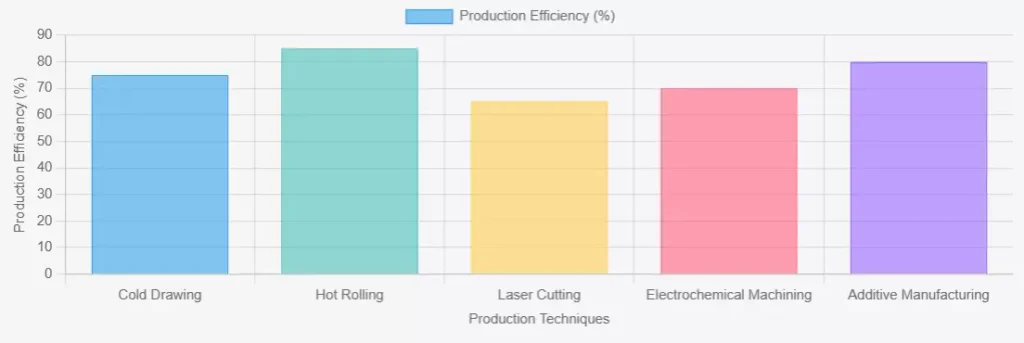
In a recent industry report, it was noted that factories employing advanced manufacturing techniques demonstrate a 20% increase in production efficiency. Factors such as heat treatment and surface finishing play critical roles in enhancing the longevity of products. However, not all facilities achieve optimal results. Some still rely on outdated processes, which can lead to inconsistent quality.
The Titanium Gold Stainless Steel Tube is particularly noteworthy. It combines lightweight properties with exceptional strength, making it an ideal choice for industries requiring durable components. Efficient supply chain management and rigorous quality control help differentiate the leading manufacturers. Yet, there remains room for improvement in tracking defect rates. A more transparent approach could foster trust and drive innovation in this competitive field.
Innovative Technologies Used in Titanium Tube Production
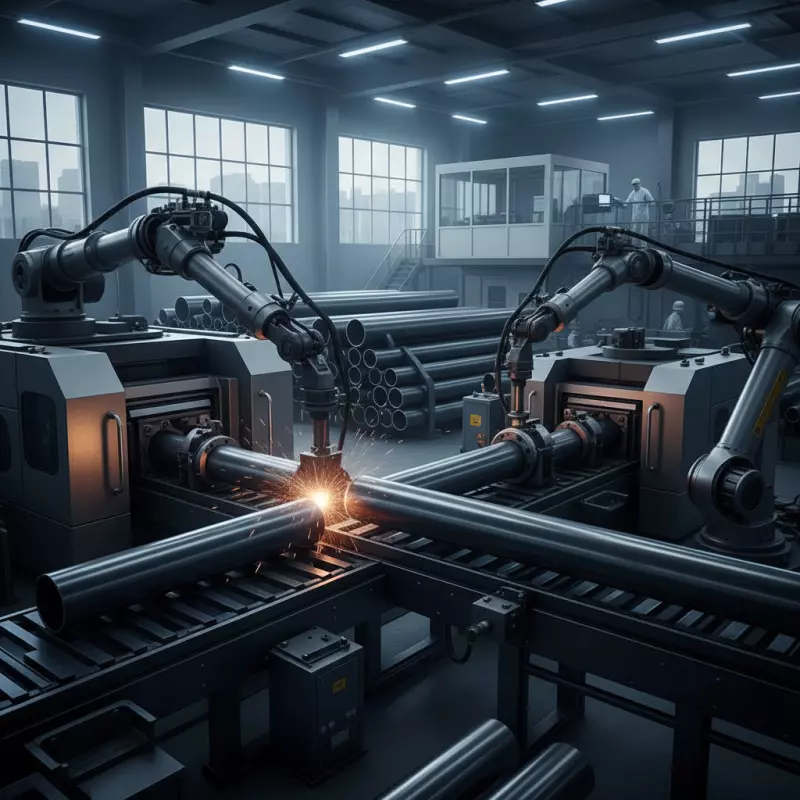
Titanium tube production has seen remarkable advancements in recent years. Innovative technologies play a critical role in enhancing quality and efficiency. Factories now utilize advanced welding processes that ensure precision and durability. These methods not only strengthen the tubes but also lower production costs. Additionally, automation in manufacturing has streamlined processes, reducing human error and increasing output.
One notable aspect of modern production is the incorporation of 3D printing. This technology allows for the creation of complex geometries that are often impossible to achieve through traditional methods. However, challenges remain. The balance between quality and cost is a constant concern. Ensuring that each Titanium tube meets strict industry standards requires ongoing effort. Factories often explore collaborations to share knowledge and tackle these issues collectively.
Despite these technologies, some factories face difficulties in adapting to rapid changes. Those who neglect the latest innovations risk losing competitive advantages. The market for products like the Gold Ss Tube may demand more than traditional offerings. Staying ahead requires a commitment to continuous improvement and innovation. The journey toward perfection in titanium production remains ongoing.
Comparison of Titanium Tube Production Techniques in 2026
Sustainability Practices Among Titanium Tube Manufacturers
Sustainability is a crucial topic for titanium tube manufacturers. Recent studies show that over 75% of manufacturers are now implementing eco-friendly practices. This shift is necessary, as the industry faces pressure to reduce its carbon footprint and promote responsible sourcing.
Titanium production can be energy-intensive. However, many companies are exploring renewable energy sources to power their operations. A report from the Titanium Association indicates that firms utilizing solar and wind energy have reduced costs by up to 30%. This has sparked discussions on the industry’s long-term viability and environmental responsibility.
Recycling plays a significant role in sustainability as well. Many manufacturers now recycle titanium scrap, which can consist of 99% pure titanium. This practice not only conserves resources but also minimizes waste. Yet, challenges exist. The recycling process can be complex and costly, leading some companies to hesitate. Transparency in sourcing and production methods remains critical to achieve true sustainability.
Market Trends Shaping the OEM Titanium Tube Sector
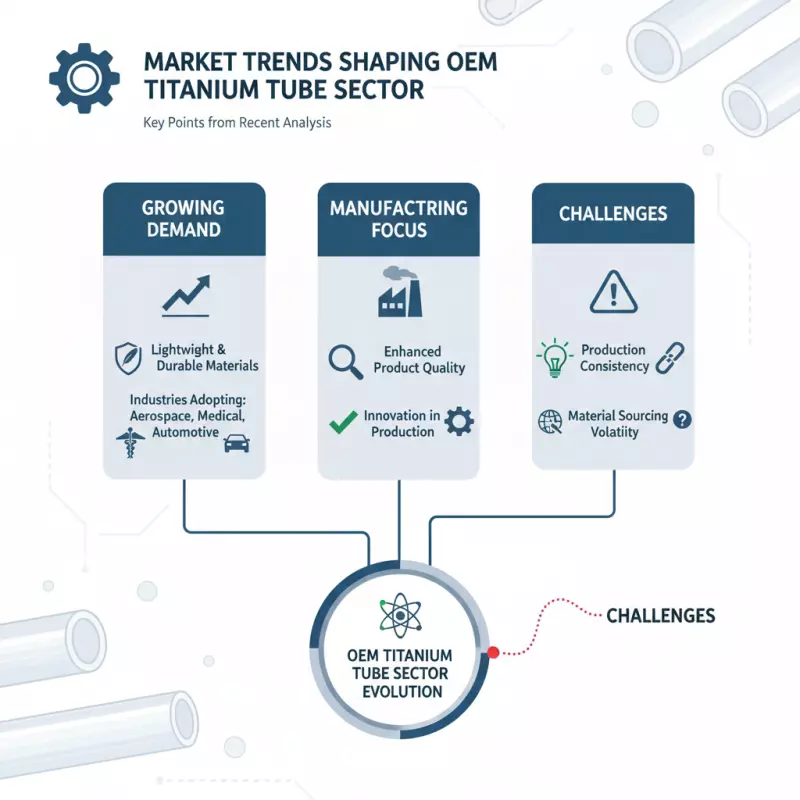
The OEM titanium tube sector is rapidly evolving. As industries seek lightweight and durable materials, titanium emerges as a prime choice. Many manufacturers are focusing on improving the quality of their products. However, challenges remain in terms of production consistency and material sourcing.
Market trends indicate a growing demand for specialized applications, such as the Muffler Core Tube. This component needs precision engineering to enhance performance and reduce noise. The push for eco-friendly solutions also affects design and production processes in this sector. Companies must adapt to sustainable practices while maintaining high-quality standards.
Emerging technologies are changing the landscape. Innovations in manufacturing can lead to increased efficiency and reduced costs. However, some companies struggle to keep pace with these advancements. They must invest in training and equipment to avoid falling behind competitors. The balance between efficiency and quality remains a constant challenge for many in the industry.
Case Studies of Successful Titanium Black Tubes Applications
Exploring the successful applications of titanium black tubes reveals insightful case studies across various industries. In aerospace, these tubes provide durability and lightweight solutions for critical components. Their resistance to corrosion enhances the longevity of parts exposed to extreme conditions. However, implementing these tubes comes with challenges, such as ensuring proper welding techniques to avoid structural weaknesses.
In the medical field, titanium black tubes are used in implants and surgical instruments. Their biocompatibility is crucial for patient safety. However, achieving a perfect surface finish can be tricky and requires precise quality control methods. Some manufacturers have struggled with consistency, which is vital for loading and performance of medical devices. Learning from these experiences can lead to improved production techniques and better outcomes.
Additionally, the automotive sector has embraced titanium black tubes to reduce weight and increase performance. Companies face difficulties in integrating these tubes with existing designs. Some have experimented with various coatings that enhance aesthetics and protection. But, this has sometimes resulted in complications during assembly processes. Reflecting on these hurdles is essential for advancing technologies in titanium tube manufacturing.
Global Market Trends in OEM Stainless Steel Tube Fabrication: Insights from 2023 Industry Reports on CNC Machining Capabilities
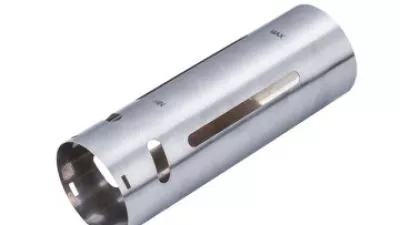
In the evolving landscape of OEM stainless steel tube fabrication, the integration of advanced CNC machining capabilities is reshaping industry standards. Companies are now able to leverage sophisticated technologies such as 3D laser cutting and automated bending to enhance production efficiency and precision. This trend reflects a broader movement towards streamlined manufacturing processes, allowing businesses to transition from raw materials to finished components with remarkable speed and accuracy.
Opting for a one-stop solution for tube fabrication not only simplifies the supply chain but also eliminates unnecessary logistical costs. By pairing tube manufacturing with in-house part fabrication, companies can significantly reduce lead times and increase overall productivity. This holistic approach ensures that every step of the process—from initial cutting and drilling to final bending—is executed seamlessly under one roof. As the demand for custom stainless steel components grows, the ability to produce complex shapes and designs, such as slotted handrails and drilled frames, while maintaining tight tolerances, positions these manufacturers at the forefront of the industry.
FAQS
What is driving the growth of the titanium tube market?
The aerospace and medical sectors are key drivers for the titanium tube market growth.
How do advanced manufacturing techniques affect production efficiency?
Advanced techniques can increase production efficiency by up to 20%.
Why is quality control important in titanium tube manufacturing?
Rigorous quality control ensures product longevity and consistency in manufacturing.
What technologies are transforming titanium tube production?
Innovations like advanced welding and 3D printing enhance quality and efficiency.
How does automation impact the manufacturing process?
Automation reduces human error and increases output in titanium tube production.
What challenges do factories face in keeping up with market trends?
Many factories struggle with production consistency and adapting to new technologies.
How are companies addressing environmental concerns in production?
Companies are shifting towards eco-friendly practices while ensuring high product quality.
What role does training play in adapting to new technologies?
Training is essential for companies to effectively use new technologies and maintain competitiveness.
What is a common area for improvement in titanium tube factories?
Factories need to improve tracking defect rates for better quality assurance.
Why is the balance between cost and quality significant?
Maintaining high quality while managing costs is a constant challenge for manufacturers.
Conclusion
The article explores the key attributes and innovations in the production of high-quality OEM Titanium Black Tubes, emphasizing the critical factors that distinguish top manufacturers within the industry. It provides a comparative analysis of leading factories, highlighting their capabilities in integrating innovative technologies and sustainable practices into their manufacturing processes.
Additionally, the article delves into current market trends shaping the OEM Titanium Black Tube sector and presents case studies showcasing successful applications of these tubes across various industries. By understanding these elements, stakeholders can make informed decisions when exploring the best Titanium Black Tube factories for their needs, ultimately driving advancements in quality and sustainability within the market.