



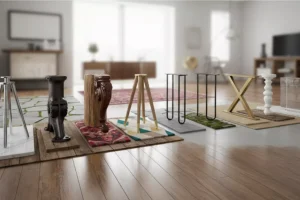

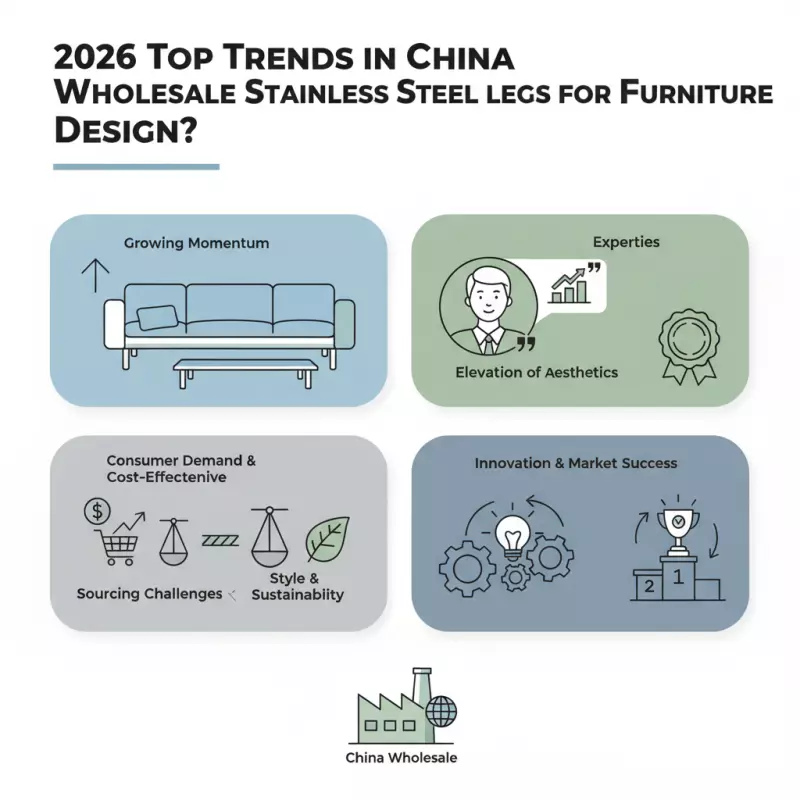
You know, in the world of furniture design, one trend that’s really been catching on is the use of stainless steel legs. I mean, they’re not just practical—they actually give furniture a pretty modern vibe. I came across this quote from John Thompson over at SteelCraft Designs who said, ‘Stainless Steel Legs are not just functional; they elevate the aesthetic to new heights.’ Totally agree! It just shows how people are really starting to appreciate those sleek, contemporary materials in creating both stylish and functional pieces.
Over the last few years, designers have fallen in love with how versatile stainless steel legs can be. They’re sturdy, durable, and look super sharp. Plus, with folks wanting furniture that’s both trendy and eco-friendly, the demand for these legs keeps climbing. Of course, it’s not all smooth sailing—some designers find it tricky to strike the right balance between making things look good and keeping costs down. Sourcing quality materials can sometimes be a bit of a challenge.
Looking ahead, furniture design really needs to focus on innovation. Designers have to stay ahead of the curve with new trends, but they also need to stay true to craftsmanship. Sure, incorporating stainless steel legs might come with some technical hurdles, but the payoff—market appeal—is definitely worth it. Jumping on this trend could be a game-changer if you’re aiming to stay competitive in the furniture scene down the line.
Emerging Materials in Stainless Steel Furniture Leg Design
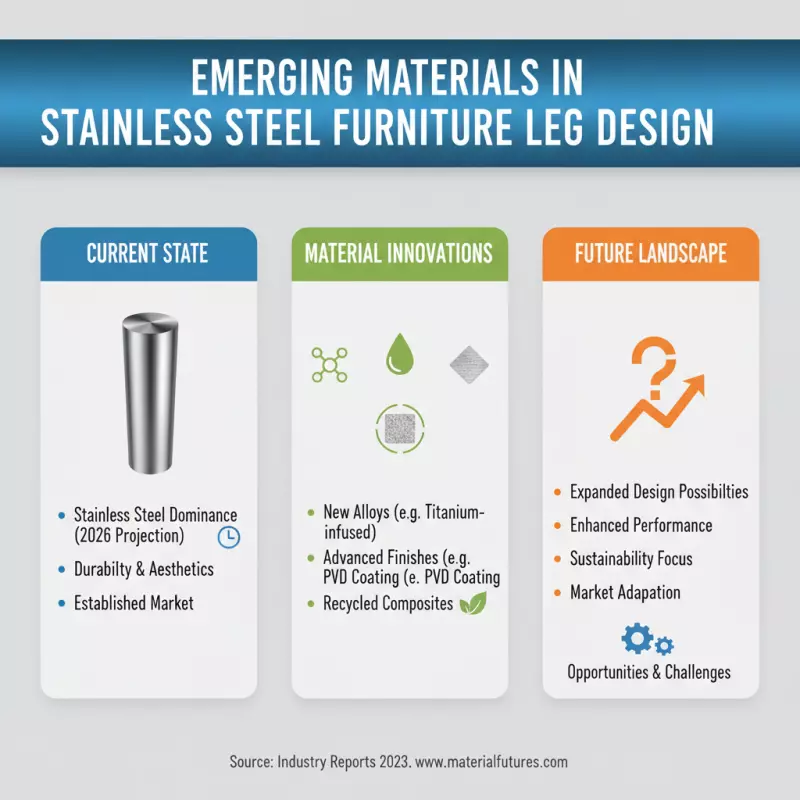
The design of stainless steel furniture legs is evolving. Emerging materials are significantly reshaping this sector. Recent industry reports indicate that stainless steel is expected to dominate the furniture leg market by 2026. It offers durability and aesthetic appeal. However, designers are exploring new alloys and finishes. This creates opportunities and challenges.
One notable trend is the use of eco-friendly coatings. These coatings enhance the appearance and promote sustainability. The shift towards eco-materials aligns with growing consumer preferences. Materials like brushed and polished stainless steel are becoming popular. They provide a sleek finish that complements various furniture styles. However, constant innovation is necessary. It can complicate manufacturing processes and affect cost structures.
Another area to watch is the integration of technology. Smart materials that respond to environmental changes are emerging. For instance, legs that adjust height based on weight distribution show promise. The data suggest that about 40% of consumers seek multifunctional furniture. There’s a need for improvements in usability and design complexity. Balancing aesthetics with practical functionality is crucial. Maintaining quality amid these trends requires careful consideration from designers and manufacturers alike.
Sustainability Trends Influencing Stainless Steel Manufacturing
Sustainability is reshaping the stainless steel manufacturing sector in China. The demand for eco-friendly materials has surged. In 2022, 65% of designers preferred sustainable materials for furniture. This trend is influencing how manufacturers approach production.
Companies now focus on using recycled stainless steel. This shift leads to a significant reduction in carbon emissions. Data from industry experts shows that recycling stainless steel can cut emissions by up to 80%. However, the recycling process can be energy-intensive, raising questions about the overall sustainability of the practice.
The market is also witnessing innovations in production techniques. Methods like electric arc furnaces are gaining traction. These methods are more energy-efficient but require high initial investments. Many manufacturers are hesitant to adopt these practices fully. This reluctance highlights the need for further research and investment in sustainable technology. Despite challenges, the push for sustainability is reshaping furniture design trends.
Innovations in Production Techniques for Stainless Steel Legs
The production techniques for stainless steel legs have evolved significantly. In recent years, manufacturers have adopted advanced welding techniques. These innovations enhance durability and reduce the overall weight of the designs. This evolution allows for sleek and modern furniture that meets contemporary aesthetic demands.
Tips: Consider the finish of the stainless steel. A polished look can elevate the perceived value of your furniture.
Another key aspect is the use of eco-friendly practices. Many producers are shifting to sustainable materials for packaging. They are also employing energy-efficient machines in their facilities. These steps contribute to a greener manufacturing process while maintaining strength in 4 Stainless Steel Legs.
Tips: Research suppliers who prioritize sustainability in their production processes.
Quality control remains a challenge. Ensuring consistency and reliability in every batch is crucial. Regular inspections and testing can help identify problematic areas. This vigilance allows designs to maintain their structural integrity over time, even when using innovative methods.
2026 Top Trends in China Wholesale Stainless Steel Legs for Furniture Design
| Trend | Description | Innovation Type | Projected Impact |
|---|---|---|---|
| Sustainable Materials | Increase in the use of recycled stainless steel in furniture legs | Material Innovation | Positive environmental impact and cost reduction |
| Modular Designs | Creation of interchangeable leg designs for better customization | Design Innovation | Enhanced user experience and appeal |
| Advanced Manufacturing | Utilization of CNC machining for precision leg fabrication | Production Technology | Higher quality and lower manufacturing costs |
| Streamlined Assembly | Adoption of quick-assembly designs for easier product setup | Engineering Innovation | Reduced time and labor in production and assembly |
| Aesthetic Versatility | Emergence of various finishes and colors for furniture legs | Design Innovation | Broader market appeal and customer choices |
Aesthetic Trends in Furniture Designs Featuring Stainless Steel
The aesthetic appeal of furniture has undergone a transformation in recent years. In 2026, the trend of using Stainless Steel Bar Legs will dominate the industry. These legs offer a sleek, modern look while providing sturdy support for various furniture pieces. Their shiny surface reflects light beautifully, enhancing the overall design. Many designers appreciate how these legs harmonize with different materials, like wood and glass.
Incorporating Stainless Steel Bar Legs into furniture creates a unique aesthetic. They pair well with vibrant colors and natural textures. This combination can lead to intriguing contrasts that elevate the space. However, there are challenges. The coldness of stainless steel might not suit every setting, particularly in cozy interiors. Designers must balance materials to achieve warmth and comfort.
Creativity is vital when working with stainless steel. Innovative designs can heighten visual interest and functionality. While some embrace the modernity of stainless steel, others might prefer traditional looks. This divergence in tastes creates a reflective dialogue about style. Furniture manufacturers must remain adaptable to evolving preferences, ensuring their designs resonate with consumers.
2026 Trends in China Wholesale Stainless Steel Legs for Furniture Design
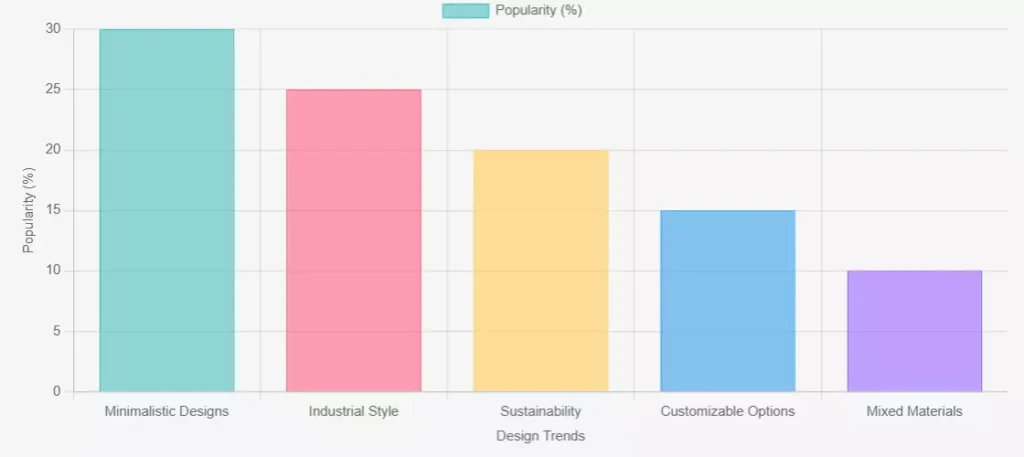
Comparative Analysis of Stainless Steel vs. Other Materials
When comparing stainless steel to other materials in furniture design, its unique properties stand out. Stainless steel is known for its strength and durability. This material can withstand significant wear and tear, making it ideal for both commercial and residential furniture. Unlike wood, it does not warp or crack, which can often compromise the integrity of a piece. Its resistance to corrosion is also a notable feature that enhances its longevity.
On the other hand, materials like wood and plastic offer different aesthetics and warmth. Wood can create a cozy atmosphere, but it often requires more maintenance. It can be susceptible to damage from moisture and pests. Plastic, while lightweight and affordable, may deteriorate over time under UV exposure. The choice between these materials ultimately comes down to the specific needs of a project.
Reflecting on these factors is essential for designers. Should the emphasis be on aesthetic appeal, or is functionality more critical? Each material has its strengths and weaknesses. Understanding these can lead to better design choices. Steel may not always blend seamlessly into every environment, leading to a challenge in design versatility. Hence, careful consideration is needed to align material choice with the intended look and function of the furniture.
Market Demand and Consumer Preferences for Furniture Legs
The demand for stylish and durable furniture legs is evolving. In 2026, consumers look for design-centric options in the China wholesale market. Sofa Stainless Steel Legs are gaining popularity due to their sleek appearance and resilience. These legs add modern elegance to various furniture pieces.
Accessibility in design matters. Consumers prefer legs that not only support but also enhance visual appeal. Many are drawn to minimalist styles that complement contemporary homes. The choice of finish on metal legs, such as brushed or polished, impacts overall aesthetics. Color compatibility with furniture also plays a vital role.
Tips: Consider varying heights in furniture legs to meet diverse consumer needs. Offer a mix of styles to appeal to different tastes. Ensure that products are tested for durability to build trust and reliability. As preferences shift, manufacturers must remain adaptable and ready to innovate.
Future Technologies Impacting the Stainless Steel Furniture Industry
Emerging technologies are significantly reshaping the stainless steel furniture industry. One notable trend is the integration of smart design features into furniture. This includes adjustable Stainless Steel Desk Legs that can change height with just a button. Such innovations cater to diverse user needs, enhancing comfort and utility.
Another area is the use of sustainable materials. As consumers become more eco-conscious, manufacturers are exploring eco-friendly finishes. These sustainable options in stainless steel leg design not only reduce environmental impact but also appeal to a wider audience. Adopting such practices may still pose challenges in sourcing and production methods.
Moreover, 3D printing is revolutionizing how manufacturers create furniture components. With 3D printing technology, custom stainless steel desk legs can be produced efficiently. This allows designers to achieve unique and intricate styles that stand out in the market. However, the cost-effectiveness and quality assurance of these prints remain areas for improvement. As the industry evolves, balancing innovation with sustainability will be key to meeting future demands.
Exploring the Versatility and Applications of ASTM A554 Stainless Steel Square & Rectangular Tubing
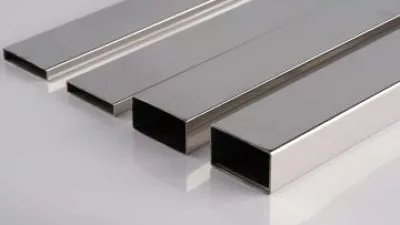
The versatility of ASTM A554 stainless steel square and rectangular tubing lies in its structural integrity and aesthetic appeal, making it a popular choice in various applications. With sharp corners and a polished finish, these tubes serve both decorative and functional purposes. According to industry reports, the architectural and construction sectors are experiencing a growing demand for such materials, which are essential for modern constructions, ranging from sophisticated glass railings to robust industrial frameworks.
The Square and Rectangular Hollow Sections (SHS/RHS) are increasingly recognized as the building blocks of industrial infrastructure. Their inherent design provides strengths that are crucial in applications requiring durability and reliability. Recent studies indicate that industries are focusing more on materials that not only meet structural requirements but also enhance visual quality. Therefore, the ability to offer options such as a mirror finish for upscale environments or a satin finish for industrial settings showcases the unique adaptability of ASTM A554 compliant tubing. These features are not only essential for aesthetic enhancement but also for ensuring weld integrity and maintaining surface consistency, both of which are critical in high-load applications.
As construction trends evolve, the importance of incorporating high-quality materials such as ASTM A554 stainless steel tubing cannot be overstated. With evidence suggesting that projects utilizing these tubes exhibit improved longevity and lower maintenance costs, they continue to be a preferred choice among architects and engineers. The combination of visual appeal, structural strength, and customization options positions these stainless steel tubes at the forefront of modern architectural design.
FAQS
What materials are emerging in stainless steel furniture design?
Eco-friendly coatings and new alloys are emerging in stainless steel furniture design.
What is the expected trend for stainless steel in furniture legs by 2026?
Industry reports suggest that stainless steel will dominate the furniture leg market by 2026.
Why are eco-friendly coatings becoming popular?
Eco-friendly coatings enhance appearance and align with growing consumer sustainability preferences.
How do stainless steel legs influence furniture aesthetics?
Their shiny surface complements various styles and creates intriguing contrasts with colors and textures.
What challenges do designers face when using stainless steel?
The coldness of stainless steel might not suit all settings, especially cozy interiors.
How can functionality be integrated into furniture design?
Smart materials that adjust to weight distribution can add multifunctionality to furniture pieces.
What consumer trend is influencing furniture design?
About 40% of consumers seek multifunctional furniture, necessitating improved usability.
What role does creativity play in designing with stainless steel?
Creativity enhances visual interest, leading to unique and innovative designs.
How do designers balance aesthetics and comfort?
They must thoughtfully combine materials to achieve both visual appeal and warmth.
What is a common reflection among furniture manufacturers?
They must remain adaptable to changing consumer preferences and design needs.
Conclusion
The article “2026 Top Trends in China Wholesale Stainless Steel Legs for Furniture Design” explores the evolving landscape of stainless steel legs in furniture design by highlighting emerging materials, sustainability trends, and innovations in production techniques. As the demand for eco-friendly furniture increases, manufacturers are adopting sustainable practices that influence the production and design of stainless steel legs. Additionally, the aesthetic appeal of stainless steel is reshaping modern furniture designs, attracting consumer preferences for stylish yet functional pieces.
The article also conducts a comparative analysis of stainless steel legs versus other materials, emphasizing their durability and design versatility. With technological advancements poised to shape the future of the stainless steel furniture industry, this piece provides valuable insights into market demand and consumer preferences, ensuring that stainless steel legs remain a prominent choice for contemporary furniture solutions.