




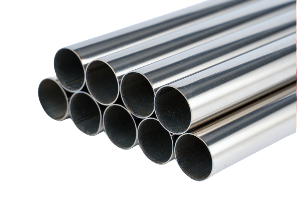
Seamless stainless steel pipes are critical components in industrial production, infrastructure construction, and high-precision equipment manufacturing. Among the numerous stainless steel grades, 304 and 316L are the most widely used for seamless pipes, owing to their excellent corrosion resistance, mechanical properties, and cost-effectiveness. However, subtle differences in their chemical compositions lead to distinct performance advantages, directly influencing their application scenarios. This article aims to conduct a comprehensive comparative analysis of the two grades, focusing on their application scope, performance adaptation, and key selection criteria.
1. Chemical Composition: The Foundation of Performance Differences
The core distinction between 304 and 316L stainless steel lies in their chemical compositions, which determine their corrosion resistance, high-temperature stability, and applicability in harsh environments:
- 304 Stainless Steel: Composed primarily of 18% chromium (Cr) and 8% nickel (Ni), with no molybdenum (Mo) added. It is classified as an austenitic stainless steel, offering basic corrosion resistance against atmospheric conditions, fresh water, and mild organic acids.
- 316L Stainless Steel: Based on 304, it adds 2-3% molybdenum (Mo) and reduces carbon (C) content to ≤0.03% (the “L” denotes low carbon). Molybdenum significantly enhances resistance to pitting corrosion and crevice corrosion, while low carbon improves weldability and intergranular corrosion resistance after heat treatment.
2. Key Application Scenarios Comparison
2.1 Application Scope of 304 Seamless Stainless Steel Pipes
304 seamless pipes are recognized as the “general-purpose” grade, suitable for moderate working environments with low corrosion intensity. Typical applications include:
- General Industrial Piping: Used in water supply and drainage systems, ventilation ducts, and fluid transportation in machinery manufacturing, where the medium is non-corrosive (e.g., clean water, air, or neutral oils).
- Food and Beverage Industry: Applied in food processing equipment (e.g., brewing tanks, dairy pipelines) and catering facilities, as 304 stainless steel is non-toxic, easy to clean, and compliant with food safety standards (e.g., FDA certification).
- Architectural and Decorative Fields: Utilized in building facades, handrails, and indoor decorations, thanks to its good surface finish and resistance to atmospheric oxidation (no rusting in normal outdoor environments).
- Low-Pressure Chemical Equipment: Suitable for transporting weak acids (e.g., dilute sulfuric acid at low concentrations) and alkalis, but not for corrosive media such as chloride-containing solutions.
2.2 Application Scope of 316L Seamless Stainless Steel Pipes
316L seamless pipes excel in harsh environments requiring high corrosion resistance, making them the preferred choice for demanding industries:
- Marine and Offshore Engineering: Widely used in ship hulls, offshore oil platforms, and seawater desalination systems. The molybdenum content enables it to resist corrosion from seawater (rich in chloride ions), which would cause pitting and crevice corrosion in 304 stainless steel.
- Chemical and Pharmaceutical Industry: Employed in pipelines for transporting strong acids (e.g., hydrochloric acid, phosphoric acid), corrosive solvents, and pharmaceutical intermediates. The low carbon content ensures stability after welding, avoiding intergranular corrosion in high-temperature or chemical-rich environments.
- Petrochemical and Energy Sector: Used in oil refining, natural gas processing, and nuclear power plant pipelines, where the medium may contain sulfur compounds, chloride ions, or high-temperature steam. 316L’s superior high-temperature resistance (continuous service temperature up to 870°C) and corrosion resistance extend equipment lifespan.
- Medical Equipment: Applied in high-precision medical devices (e.g., surgical instruments, diagnostic equipment pipelines) due to its biocompatibility, corrosion resistance to bodily fluids, and ease of sterilization.
3. Critical Selection Factors
When choosing between 304 and 316L seamless stainless steel pipes, the following factors should be prioritized:
- Corrosion Environment: If the medium contains chloride ions (e.g., seawater, brine), strong acids, or corrosive gases, 316L is indispensable; for neutral or slightly corrosive environments, 304 offers cost-effective performance.
- Temperature and Pressure: For high-temperature (above 600°C) or high-pressure applications (e.g., steam pipelines), 316L’s better mechanical stability is more reliable than 304.
- Regulatory Requirements: Industries such as food, pharmaceutical, and medical require compliance with strict standards (e.g., FDA, ISO). Both grades meet basic requirements, but 316L is preferred for critical applications due to its enhanced purity and corrosion resistance.
- Cost Considerations: 316L is approximately 30-50% more expensive than 304 (due to higher nickel and molybdenum content). For non-critical applications with low corrosion risks, 304 is a more economical choice.
Conclusion
304 and 316L seamless stainless steel pipes each have irreplaceable advantages based on their chemical compositions and performance characteristics. 304 is the cost-effective solution for general-purpose, low-corrosion environments, while 316L is the reliable choice for harsh conditions involving chloride ions, strong corrosives, high temperatures, or high pressures. Selecting the appropriate grade requires a comprehensive assessment of the application environment, medium properties, regulatory requirements, and budget constraints. By understanding their core differences, enterprises can optimize equipment performance, reduce maintenance costs, and ensure operational safety.