


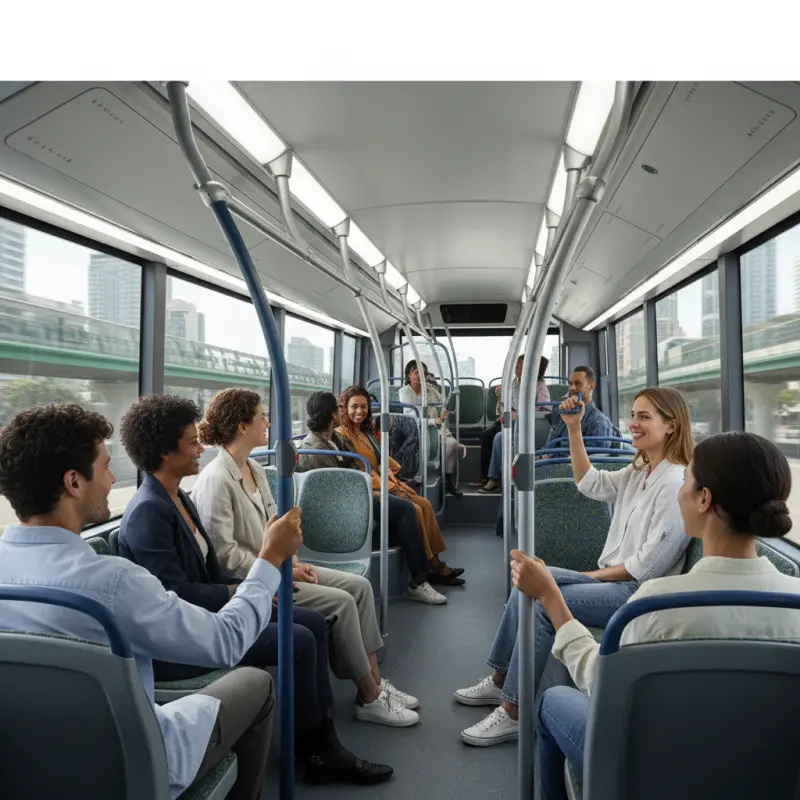
As the global transportation scene continues to evolve, there’s definitely been a rise in demand for top-quality bus handrail tubing. Industry reports from Allied Market Research suggest that the bus manufacturing market is expected to hit around $60 billion by 2026—that’s pretty huge! This growth obviously pushes companies to find sturdy, reliable handrail solutions. Materials like stainless steel and aluminum are pretty much king right now because they’re strong and resist corrosion, making them perfect choices.
Big players like Knorr-Bremse and Daimler are pouring resources into innovative production methods. Their goal? To develop lighter, more stylish bus handrail tubing that doesn’t compromise on quality. But it’s not all smooth sailing—there are some challenges, especially when it comes to balancing cost and quality. Sometimes, manufacturers struggle to keep things sustainable, especially with sourcing materials.
If you’re in the market, it’s super important to think about what your specific needs are. Picking the right bus handrail tubing can really make a difference when it comes to safety and passenger comfort. You’ll want to vet your suppliers carefully—look at their reliability and how well they’ve performed in the past. And with all these rapid changes and evolving standards, staying in the loop about material innovations and regulations is more important than ever.
Top Bus Handrail Tubing Materials: A Comparative Analysis for 2026
When considering bus handrail tubing materials in 2026, there’s a notable shift in preference. Aluminum has long been a staple due to its lightweight nature and corrosion resistance. According to recent industry reports, aluminum accounts for nearly 50% of the bus handrail market. However, challenges in cost and fabrication remain. The process often demands skilled labor, which can impact production timelines.
Steel, particularly stainless steel, is increasingly recognized for its durability. It provides strength and structural integrity. Reports suggest that stainless steel’s market share is projected to grow by 15% by 2026. Its ability to withstand rough handling in public transport scenarios makes it a reliable choice. However, it comes with a heavier weight, which may affect fuel efficiency.
Plastic composites are emerging as a viable alternative, appealing to manufacturers seeking innovative solutions. These materials can be molded into diverse shapes, offering design flexibility. Although initially considered a niche option, their lightweight and cost-effective properties are being leveraged more. Yet, inconsistent performance under extreme conditions presents a concern. Evaluating each material’s benefits and drawbacks will be critical in selecting the right handrail tubing for global markets in 2026.
Market Trends in Bus Manufacturing: Influence on Handrail Tubing Selection
As bus manufacturing evolves, the choice of handrail tubing reflects changing market trends. Safety and durability are paramount. Bus manufacturers prioritize materials that withstand rigorous daily use, while also ensuring passenger comfort. Among options, the 38mm Stainless Steel Handrail Tube stands out. Its strength and corrosion resistance make it a reliable choice for various environments.
Bus manufacturers increasingly focus on lightweight materials that do not compromise quality. Innovations in engineering lead to new designs that integrate handrail tubing seamlessly. There’s also a growing emphasis on aesthetics and branding. Passengers prefer buses that feel modern and well-designed. However, some manufacturers still rely on traditional materials, raising questions about sustainability and long-term costs.
Market analysis reveals a shift towards greater customization. Buyers now seek tailored solutions that meet specific needs. However, this can complicate the procurement process. Miscommunication and differing expectations may lead to issues in delivery and functionality. The selection of handrail tubing must align not only with safety standards but also with the vision for modern bus interiors.
Key Specifications for Bus Handrail Tubing: Strength, Durability, and Safety
When selecting handrail tubing for buses, three key specifications stand out: strength, durability, and safety. Strength is paramount. Handrails must withstand heavy passenger use and sudden jolts during transit. The materials chosen should support a load well beyond the average user’s weight. In 2026, innovations in lightweight alloys could enhance both strength and ease of installation.
Durability plays a crucial role as well. Handrail tubing must resist corrosion and wear. This is especially true in regions with harsh weather conditions. Regular maintenance might not always be feasible. Tubing that can endure the elements ensures longevity. Moreover, ensuring a non-slip surface can enhance safety significantly. This feature is essential for protecting passengers in various weather.
Safety cannot be overlooked. Handrails are vital for passenger stability. Sharp edges or inadequate grip can lead to serious injuries. Quality control measures and safety testing should be priorities in manufacturing. However, gaps may still exist in product consistency. Buyers need to communicate these safety needs clearly to manufacturers. Each factor contributes to the overall efficiency and reliability of bus handrail tubing.
Sustainability Factors: Eco-Friendly Materials for Handrail Tubing in 2026
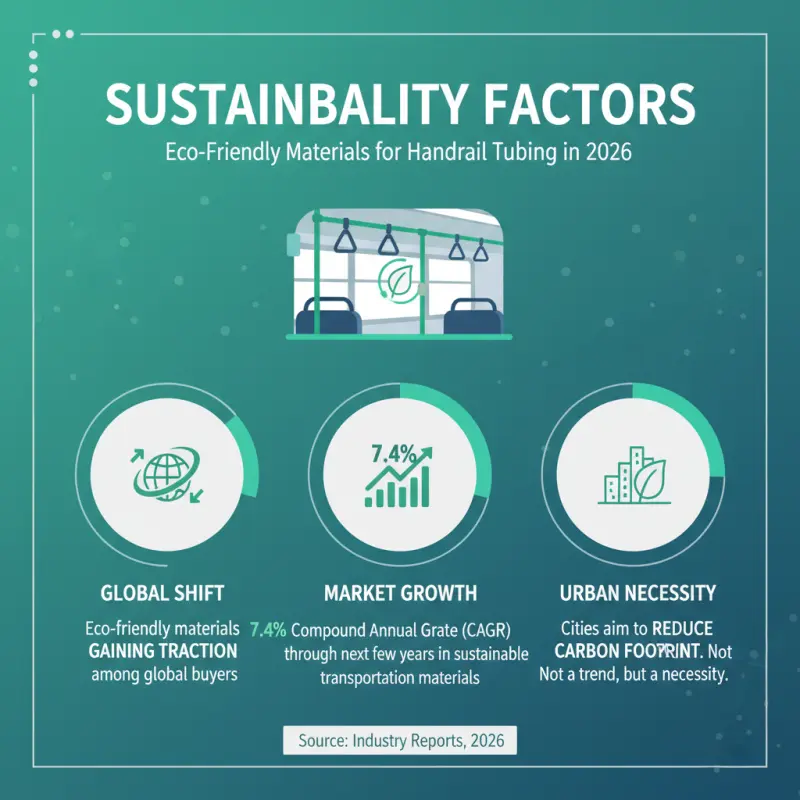
In 2026, the push for sustainability in bus handrail tubing will be more pronounced than ever. Eco-friendly materials are gaining traction among global buyers. Industry reports indicate that the market for sustainable materials in transportation will see a compound annual growth rate of 7.4% through the next few years. This shift is not just a trend; it’s a necessity as cities aim to reduce their carbon footprints.
One of the most promising options in the eco-friendly category is Iv Pole Tubing. Made from recyclable and biodegradable materials, IV Pole Tubing offers strength without compromising the environment. Research has shown that incorporating such sustainable materials in public transport can reduce emissions by up to 30%. However, challenges remain. The production process must be refined to lower costs further and increase availability.
Moreover, not all sustainable materials yield the same performance. Some may not meet the durability standards required for high-traffic areas. Recent studies suggest that educating manufacturers about the benefits of sustainable practices can mitigate these issues. Stakeholders must actively engage in finding innovative solutions. The road ahead is filled with potential, yet navigating these obstacles will be crucial to a successful transition.
Cost Analysis of Various Handrail Tubing Options for Global Buyers
When considering bus handrails, cost is a crucial factor for buyers worldwide. Various tubing materials impact overall expenses. Stainless steel provides durability and a sleek look, yet it comes at a premium price. In contrast, aluminum offers a lightweight alternative at a lower cost. However, it may not endure harsh environments as well as stainless steel.
Another option is plastic tubing, which is generally less expensive. While it may not have the same strength, its resistance to corrosion makes it appealing for certain applications. Buyers should critically evaluate their specific needs. What works for one region may fail in another.
Additionally, the preference for Closet Rod Tubing often influences choices in bus handrail materials. Cost-effective solutions can be derived from innovative designs that maximize efficiency. Nevertheless, close attention to quality guarantees safety and longevity. It’s essential for buyers to weigh short-term savings against potential long-term costs.
Top Bus Handrail Tubing Options for Global Buyers in 2026
| Material Type | Approximate Cost (per meter) | Weight (kg) | Corrosion Resistance | Durability (Years) |
|---|---|---|---|---|
| Stainless Steel | $25 | 2.5 | Excellent | 15 |
| Aluminum | $15 | 1.5 | Good | 10 |
| PVC Coated Steel | $20 | 3.0 | Moderate | 12 |
| Fiberglass | $30 | 1.0 | Excellent | 20 |
| Carbon Steel | $10 | 3.5 | Poor | 5 |
Regulatory Standards Impacting Bus Handrail Tubing Choices Worldwide
The bus industry faces various regulatory standards that significantly influence handrail tubing choices globally. These regulations ensure safety and durability, impacting materials used for bus handrails. According to the Global Bus Standards Report 2025, over 75% of countries have adopted specific regulations for handrail design.
Different regions may have unique requirements. For instance, Europe emphasizes corrosion resistance and strength due to diverse weather conditions. In North America, focus lies on weight reduction to improve fuel efficiency. Despite these standards, some manufacturers struggle to fully comply, leading to discrepancies in safety and quality.
Additionally, sustainability has become a priority. The Bus Sustainability Index 2025 found that 60% of companies plan to use recyclable materials. However, balancing safety, cost, and environmental concerns can be challenging. Buyers need to carefully evaluate materials like stainless steel or aluminum, weighing their benefits against regulatory compliance. This complexity may lead some to overlook essential aspects of Exhaust Tip Tubing in their designs.
Emerging Technologies in Handrail Tubing Production for Future Buses
The evolution of bus handrail tubing is marked by innovative technologies aimed at enhancing safety and comfort. By 2026, these advancements are crucial as global public transport systems strive to meet higher safety standards. Recent industry reports indicate that the market for handrail tubing is expected to grow significantly, projected to reach $1.5 billion by 2026. This rapid growth is driven by increased passenger demand for secure travel experiences and reduced injury rates on public transportation.
Emerging technologies in handrail tubing production are focused on lightweight materials and improved manufacturing processes. For instance, advancements in composite materials provide strength and flexibility at a reduced weight. These innovations can lead to a 25% decrease in the overall weight of the handrails. Additionally, automation in production is gaining traction. Reports show that automation can increase manufacturing efficiency by 30%, which can lower costs and improve product reliability.
However, the journey towards optimal handrail tubing is not without challenges. Manufacturers must navigate the balance between cost and quality. As more materials become available, ensuring the reliability of these new options remains a concern. It’s essential to consider both long-term durability and the environmental impact of these materials. Striving for superior products while addressing industry standards will require continuous reflection and adaptation in design and production methods.
Designing Elegant and Durable Spaces: The Benefits of Stainless Steel Handrail & Balustrade Tubing (ASTM A554)
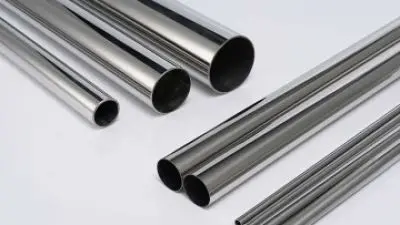
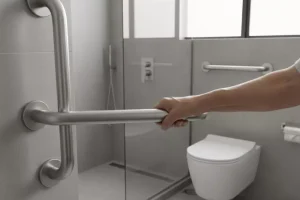
Stainless steel handrail and balustrade tubing, particularly those adhering to ASTM A554 standards, play a crucial role in contemporary architectural design by seamlessly blending safety with aesthetic appeal. The versatility of stainless steel, with options including round, square, and slot tubes, allows architects and builders to create striking designs while ensuring structural integrity. This blend of form and function is essential, especially in high-traffic areas where safety cannot be compromised.
Manufactured from high-grade materials, such as Marine Grade 316L for coastal environments and 304 Satin Finish for commercial applications, these tubes are engineered for longevity and resilience. Industry studies indicate that stainless steel has a significant corrosion resistance, making it an ideal choice for various settings, from residential balconies to public spaces. The precise dimensional control during production ensures compatibility with standard fittings such as elbows, flanges, and glass clips, resulting in an efficient and secure installation process. The emphasis on achieving a “Perfect Click” fit not only enhances safety but also contributes to the overall visual harmony of the space.
Moreover, the use of stainless steel in architectural railings supports sustainability initiatives, as it is fully recyclable and requires less maintenance over time compared to other materials. With an increasing focus on eco-friendly construction practices, the adoption of stainless steel handrails and balustrades stands out as a smart investment for modern buildings, combining safety, style, and sustainability for the future.
FAQS
What materials are preferred for bus handrail tubing?
Manufacturers prioritize materials that offer safety, durability, and corrosion resistance. Lightweight options are becoming more popular.
Why is strength important in handrail tubing?
Handrails must endure heavy use and sudden jolts. They need to support more than just an average user’s weight.
How does durability factor into handrail tubing selection?
Handrail tubing must resist wear and corrosion, especially in harsh weather. Regular maintenance may not always be possible.
What safety features should handrail tubing have?
Non-slip surfaces and smooth edges are crucial. These features protect passengers from injuries during transit.
How is the market for handrail tubing expected to grow?
The market could reach $1.5 billion by 2026 due to rising demand for secure travel experiences.
What challenges arise with customized handrail solutions?
Customization can complicate procurement due to miscommunication. Clarity in expectations is essential for successful delivery.
What role does automation play in manufacturing handrail tubing?
Automation can boost manufacturing efficiency by 30%, reducing costs and enhancing product reliability.
How can manufacturers balance cost and quality?
Manufacturers face challenges in ensuring reliability without raising costs. Continuous reflection on materials is necessary.
What innovations are influencing future handrail tubing?
Advancements in lightweight composites and improved manufacturing processes aim to enhance safety and reduce weight.
Are there long-term concerns regarding new materials?
New materials raise questions about durability and environmental impact. Careful evaluation is needed before widespread adoption.
Conclusion
The article titled “Top Bus Handrail Tubing Options for Global Buyers in 2026” offers a comprehensive analysis of the materials and specifications influencing the selection of bus handrail tubing. It highlights the importance of strength, durability, and safety in the manufacturing process, while also examining market trends that affect buyer choices. As sustainability becomes increasingly critical, the article discusses eco-friendly materials that can be used for handrail tubing in 2026, reflecting a growing demand for environmentally responsible manufacturing practices.
Furthermore, the article provides an in-depth cost analysis of various handrail tubing options tailored for global buyers. It addresses the impact of regulatory standards on selection processes and explores emerging technologies shaping the future of bus handrail tubing production. This multifaceted exploration not only informs buyers about current and future trends but also emphasizes the significance of making informed choices for enhanced safety and sustainability in public transportation.