



When you’re in agriculture, picking the right tools can really make a huge difference in how smoothly things go. I remember Dr. John Smith, a pretty well-known expert in irrigation tech, once said, “Choosing the right Slotted Irrigation Pipe can honestly make or break your harvest.” That really drives home how important this choice is, doesn’t it?
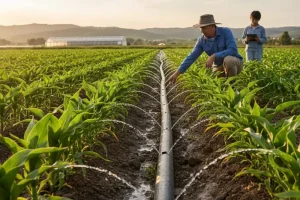
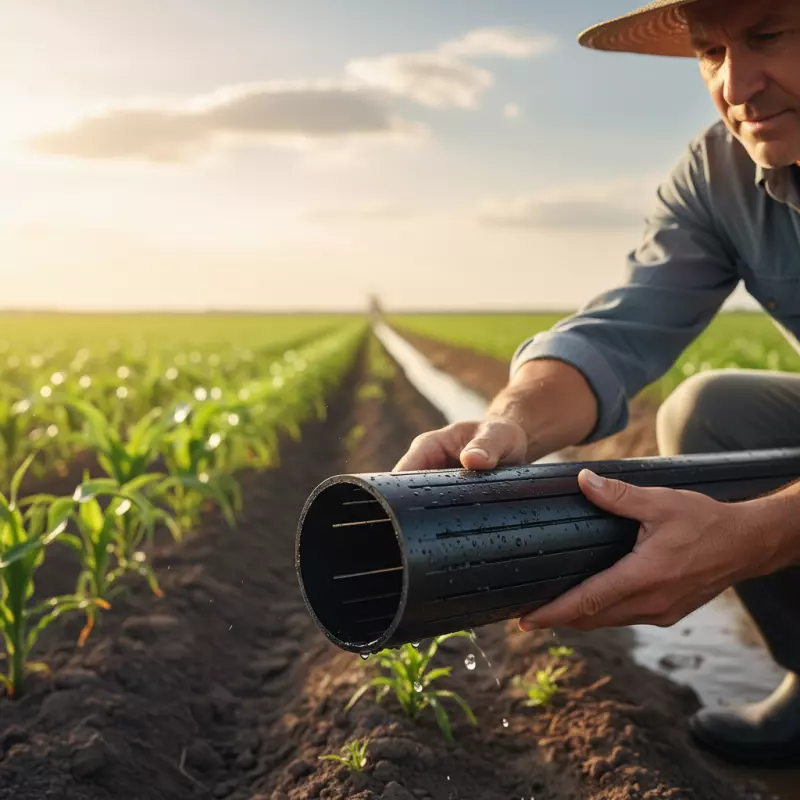
Slotted irrigation pipes are a game-changer for managing water efficiently. They help with drainage and give the soil some much-needed aeration. Plus, their design offers a lot of flexibility for different farming methods. But here’s the thing— not all slotted pipes are the same. Things like the material, slot size, and pipe diameter can seriously affect how well they work.
Farmers should take a moment to really think about what they need. Things like soil type, climate, and what crops you’re growing all matter. It’s also smart to look back at your past experiences with watering and soil health to see what’s worked or not. Finding that perfect slotted irrigation pipe might take some research and effort, but believe me, it’s worth it in the end for better productivity.
Overview of Slotted Irrigation Pipes and Their Benefits
Slotted irrigation pipes are essential in modern agriculture. They allow water to flow efficiently to crops. This leads to better yields and sustainable practices. According to a report by the Irrigation Association, optimized irrigation can reduce water consumption by up to 40%. This statistic highlights the need for effective tools in farming.
These pipes feature small slots that let water infiltrate the soil while preventing clogging. This is crucial in maintaining soil health. For instance, research indicates that slotted pipes enhance drainage in clay soils. They can help prevent root rot and promote nutrient absorption. However, improper installation might lead to uneven water distribution. The quality of materials matters significantly.
When choosing slotted irrigation pipes, consider the local soil type and crop needs. A survey in the agricultural sector showed that 65% of farmers reported better crop performance using slotted systems. Yet not all systems are created equal. Assessing durability and compatibility is vital. Some farmers find that cheaper options do not last as expected. Therefore, it’s important to weigh cost against quality and long-term benefits.
Ultimate Tips for Choosing Slotted Irrigation Pipe
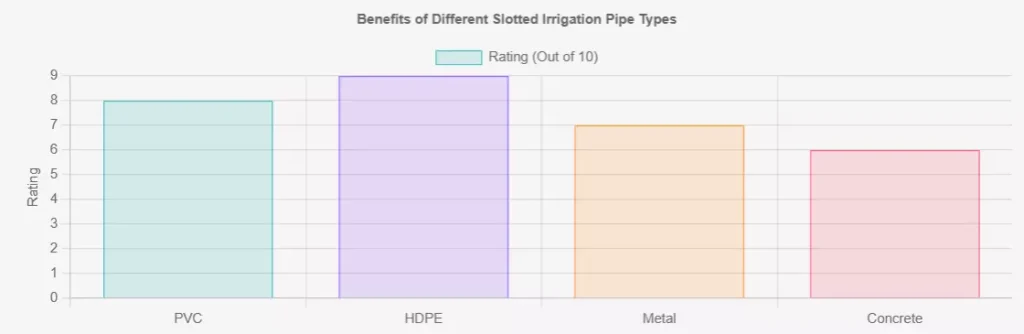
This chart illustrates the benefits of different types of slotted irrigation pipes based on factors such as water distribution efficiency, durability, and maintenance ease.
Types of Slotted Irrigation Pipes: A Comprehensive Guide
When it comes to slotted irrigation pipes, understanding the types available is crucial. Slotted Pipes serve as effective tools for controlling moisture levels in soil. A study by the Irrigation Association indicates that proper irrigation can increase crop yield by up to 50%. Different designs and slot patterns lead to varied drainage capabilities.
There are three primary types to consider: perforated, slotted, and V-shaped pipes. Perforated pipes allow water to seep through small holes. Slotted pipes, however, present a unique advantage with their vertical slots, promoting better drainage. V-shaped pipes offer a different configuration that can reduce clogging. The choice depends on soil type and crop requirements.
Some farmers may prefer slotted pipes for their versatility, but these can also pose challenges. If not correctly selected, they may lead to uneven moisture distribution. A 2021 report from the Agricultural Water Management Journal highlights that 20% of farmers experienced issues due to poor pipe selection. Misjudging soil conditions can lead to under or over-irrigation. Each choice has its pros and cons, making it essential to evaluate based on specific needs.
Key Factors to Consider When Selecting Slotted Irrigation Pipe
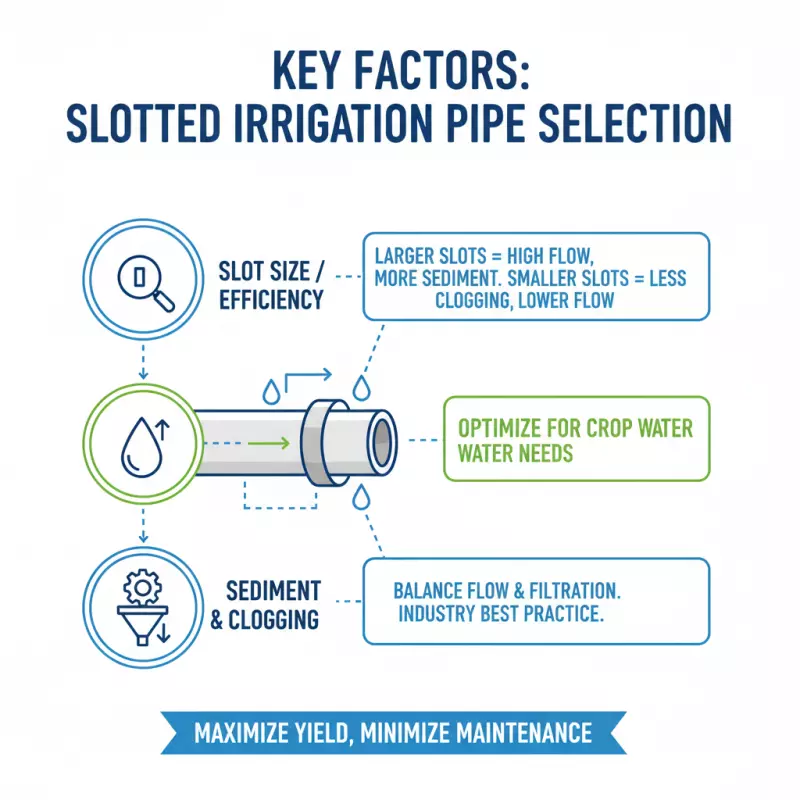
When selecting a slotted irrigation pipe, pay attention to several key factors. The size of the slots plays a crucial role. Larger slots allow for higher flow rates but may let in more sediment. According to industry reports, the right slot size can maximize efficiency and minimize clogging.
Material choice is another critical consideration. Pipes made from PVC or HDPE are common, each offering different durability and flexibility. Studies indicate that HDPE pipes can endure harsher conditions but may be more expensive. Choose the material best suited to your environment and budget.
Tips: Always consider the soil type where the pipe will be installed. Different soils require different slot sizes. Researching local environmental conditions is vital. Consult with experts when in doubt. Evaluate your needs thoroughly before making a decision; it can save costs and effort later.
Material Options for Slotted Irrigation Pipes: Pros and Cons
When selecting slotted irrigation pipes, material choice plays a crucial role. Common materials include PVC, HDPE, and stainless steel. PVC pipes are lightweight and resistant to corrosion, but they can suffer from brittleness over time. According to a report by the Irrigation Association, PVC pipes can have a lifespan of 10-20 years, depending on conditions. This raises questions about sustainability and long-term costs.
HDPE pipes are durable and flexible. They resist impact and stress cracking, making them suitable for varied climates. They also offer great chemical resistance, which is important for different soil types. However, installation can be challenging due to their weight. The market for HDPE slotted pipes is predicted to grow by 6% annually, reflecting their rising popularity.
Stainless steel pipes, such as Ss Slotted Pipe, provide exceptional durability. They withstand harsh environmental conditions and corrosion. But, they are significantly more expensive than PVC and HDPE. Potential users must weigh these costs against benefits. This decision could impact long-term efficiency and maintenance expenses. The choice of material is not just about immediate costs. It requires careful consideration of performance, lifespan, and environmental factors.
Determining the Optimal Slot Size for Your Irrigation Needs
When it comes to slotted irrigation pipes, selecting the right slot size is crucial. The optimal slot size directly impacts water flow and soil moisture retention. A larger slot can allow too much water, risking plant drowning. On the other hand, a small slot may restrict flow, leading to dry patches in your garden.
Consider the type of crops you are irrigating. For delicate seedlings, smaller slots are often preferable. They prevent overwatering and support seedling health. Think about the soil composition too. Sandy soils may require larger slots to facilitate drainage, while clay soils can benefit from smaller openings.
It’s essential to assess your specific irrigation needs. You might find that one slot size doesn’t fit all plants. Experimenting with different sizes can reveal surprising results. Remember, there’s no perfect answer. Conditions may change with the seasons, requiring adjustments. Fine-tuning your approach can lead to better outcomes, helping you grow healthier plants in the long run.
Installation Tips for Effective Use of Slotted Irrigation Pipes
Choosing the right installation method for slotted irrigation pipes is critical. Start by ensuring the soil is correctly prepared. Compacted soil can lead to poor infiltration. Dig trenches that are deep enough for your 90mm Slotted Pipe, allowing adequate water flow. The distance between pipes should be carefully measured. Too close can lead to flooding, while too far can cause dry spots.
When laying the pipe, align it properly. The slots should face downward, allowing water to seep into the soil effectively. Use sand or gravel around the pipe to prevent clogging and to enhance efficiency. Check for any bends or kinks in the pipe. These can create weak points where water pressure fails.
Once installed, monitor the system regularly. Sometimes the flow may not be consistent. If you notice uneven water distribution, reflect on your calculations. It’s crucial to assess both the pipe layout and the irrigation coverage. Over time, you might find that adjustments are necessary to improve your setup. Always be open to re-evaluating your installation for better results.
Maintenance Practices to Ensure Longevity of Slotted Irrigation Systems
Maintaining slotted irrigation systems is crucial for their performance and lifespan. Proper upkeep minimizes the risk of clogs and water flow issues. According to a report by the Irrigation Association, poorly maintained systems can lose up to 25% of their efficiency. Regular inspections help identify issues before they escalate.
One tip for maintenance is to regularly check the Slotted Well Pipe for any obstructions. Small particles can accumulate, inhibiting water flow. Cleaning the slots periodically ensures optimal performance. Ensure that screen filters are oriented correctly and are in good condition, as damaged filters can lead to serious irrigation problems.
Another important practice is to monitor water quality. Tests for pH levels and sediment are essential. High sediment levels can clog pipes, reducing efficiency. Use a water treatment solution when necessary. Remember, the longevity of slotted irrigation systems relies on proactive care. With these strategies, you can protect your investment and enhance overall efficiency.
Ultimate Tips for Choosing Slotted Irrigation Pipe - Maintenance Practices to Ensure Longevity of Slotted Irrigation Systems
| Tip | Description | Maintenance Frequency | Estimated Lifespan |
|---|---|---|---|
| Choose the Right Material | Select pipes made of durable materials like PVC or HDPE. | Every installation | 15-25 years |
| Proper Installation | Ensure pipes are installed according to the manufacturer’s guidelines. | After installation | N/A |
| Regular Inspection | Check for leaks and damage regularly. | Monthly | N/A |
| Cleaning the System | Flush the system to remove debris and build-up. | Biannually | N/A |
| Monitor Water Quality | Test water for contaminants that can damage the pipes. | Quarterly | N/A |
FAQS
What are slotted irrigation pipes?
Slotted irrigation pipes allow water to flow to crops efficiently. They improve yields and promote sustainable farming practices.
Why are slotted pipes important for soil health?
They prevent clogging and enhance drainage in soils, reducing risks like root rot and improving nutrient absorption.
How does improper installation affect irrigation?
Improper installation can lead to uneven water distribution. This can result in some areas being over or under-watered.
What factors should be considered when selecting slotted pipes?
Consider local soil type, crop needs, and the durability of materials. Not all pipes offer the same performance.
What types of slotted irrigation pipes are available?
Common types include perforated, slotted, and V-shaped pipes. Each offers unique drainage capabilities and should match your soil type.
What are the pros and cons of PVC pipes?
PVC pipes are lightweight and corrosion-resistant. However, they may become brittle over time, impacting lifespan and sustainability.
How do HDPE pipes compare to PVC?
HDPE pipes are durable and flexible, resisting impact. However, they can be heavy, making installation challenging in some cases.
Why consider stainless steel pipes?
Stainless steel pipes are extremely durable and corrosion-resistant. Yet, they are generally more expensive than other material options.
What impact does material choice have on long-term costs?
Material choice affects performance, lifespan, and maintenance costs. Balance immediate costs with long-term efficiency.
What is a common issue with pipe selection?
Around 20% of farmers faced issues from poor pipe selection, resulting in uneven irrigation. Assessing soil conditions is vital.
Conclusion
Slotted irrigation pipes are essential tools in modern agriculture, designed to optimize water distribution and enhance soil moisture management. These pipes come in various types, each offering unique benefits that cater to specific irrigation needs. When selecting a slotted irrigation pipe, it’s crucial to consider factors such as material options, which provide distinct advantages and disadvantages, and the optimal slot size to ensure efficient water flow tailored to the crop requirements.
Effective installation and regular maintenance practices are vital for maximizing the longevity and performance of slotted irrigation systems. By following these ultimate tips, farmers and gardeners can make informed decisions that lead to improved irrigation efficiency, better crop yield, and sustainable water usage in their agricultural endeavors.