





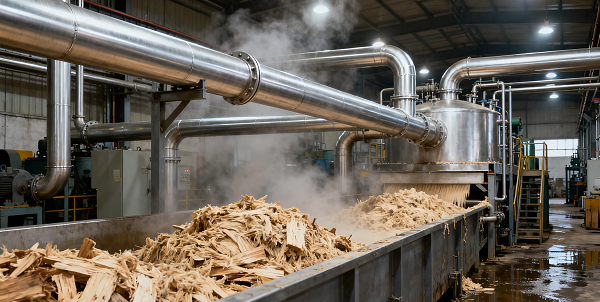
Austenitic 316L stainless steel pipes will remain the primary alloy material used in the pulp and paper industry, with the corrosion resistance of nickel and molybdenum ensuring its unshakeable position in the sector. The papermaking process requires the addition of various acidic, alkaline solutions and detergents, thus placing high demands on the performance of the steel pipes. Many paper mills have long used 316L pipes in sulfuric acid cellulose digesters. Today, we’ll share some information about the applications of 316L stainless steel pipes in the papermaking industry.
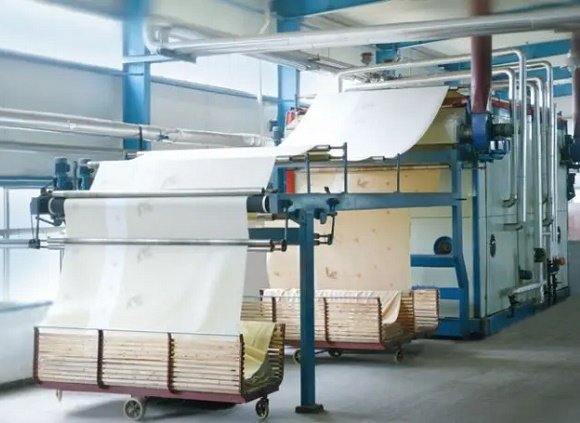
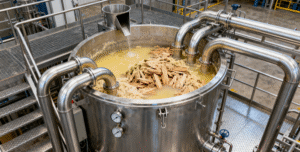
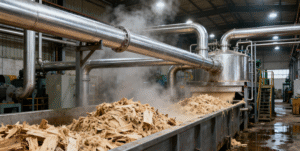
Currently, stainless steel is used in digesters for dry-cooked wood chips and reactors in oxygen dewooding and bleaching processes. The use of steel is also increasing in all other process equipment. In a highly competitive industry, cost reduction is a pressing issue. Due to its high strength-to-weight ratio, stainless steel allows for 50% thinner equipment walls compared to carbon steel and 35% thinner walls compared to composite steel.
Therefore, many paper mills use austenitic 316L stainless steel tubing in a large number of pieces of equipment; for example, 316L is widely used in sulfate pulping equipment due to its high corrosion resistance.
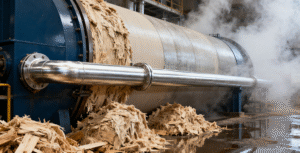
In oxidation reaction equipment, 316L stainless steel is widely used because it can resist external stress corrosion cracking. The use of 316L is also increasing in chemical recovery units, mechanical pulping and waste pulp treatment equipment, headboxes, and paper machine suction roll housings. It is also widely used in batch and continuous digesters, and this steel grade is also suitable for oxygen dewooding equipment and pressurized peroxidation reactors.
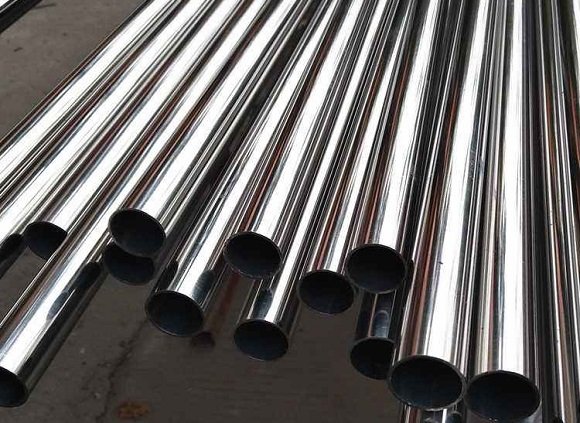
A large pulp and paper concentrator needs 8,000-10,000 tons of 316L stainless steel pipe. Various alloy materials are used in different processes, including cooking (sulfate cellulose digester), washing, screening, bleaching, chemical recovery, pulp recycling, and the paper machine. The sulfate cellulose digester, washing, and screening processes utilize closed systems to reduce pollution emissions, which increases the corrosiveness of the production environment.
Therefore, the use of stainless steel pipes has shifted from non-alloy steel to stainless steel pipes (316L steel pipes are selected, followed by 304L stainless steel pipes or 316L stainless steel pipes). High-molybdenum austenitic stainless steel 254SMO is also used in the Cl₂ and ClO₂ bleaching processes to address the corrosion issues caused by the closed processing system. Depending on different environmental conditions, austenitic stainless steel or stainless steel can be selected to replace carbon steel. The chemical recovery solution storage tank requires more maintenance due to corrosion.
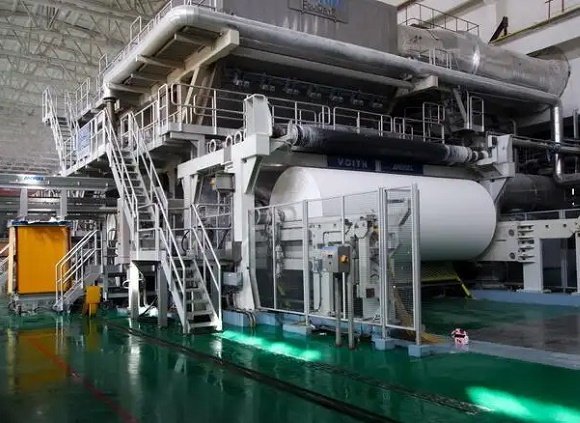
In the papermaking process, high-temperature cooking, detergents, bleaching agents, and various chemicals cause many metal materials to avoid contact with the material. However, 316L stainless steel pipes contain a large amount of nickel and molybdenum, which enables them to exhibit acid and alkali resistance and high-temperature resistance during this process. The above is about the application of 316L stainless steel pipes in the papermaking industry.