


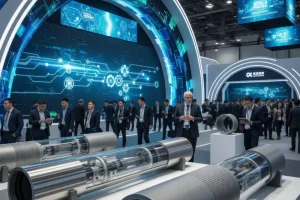



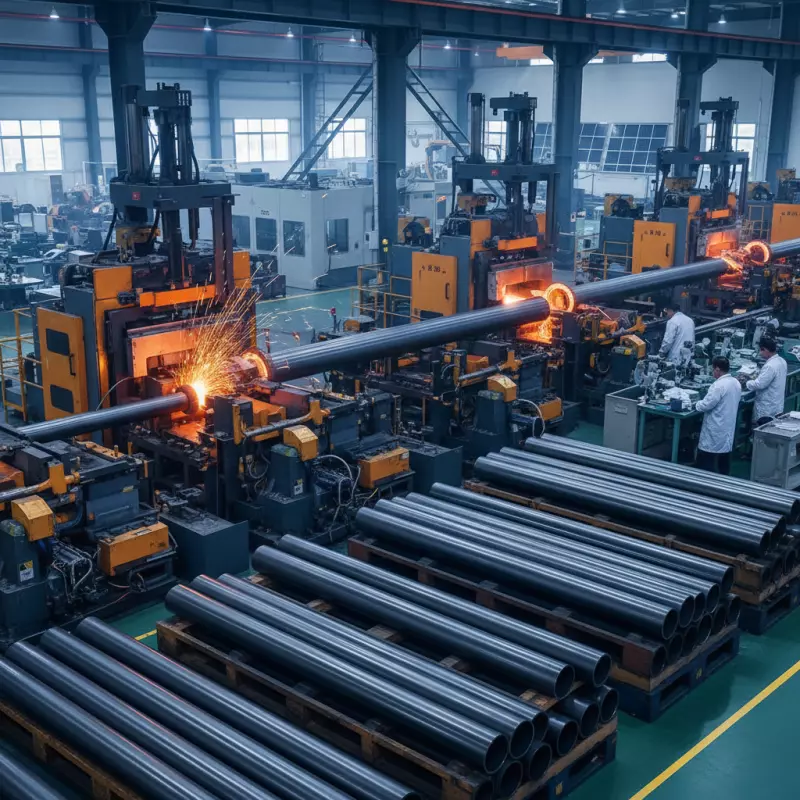
You know, the Titanium Black Tube industry in China has really been catching a lot of attention lately. As one of the top suppliers out there, OEM factories in China play a huge role in the global scene. Their products are pretty much everywhere – in aerospace, cars, even medical stuff. I remember Dr. Michael Chen, a well-known expert in titanium, saying, ‘Titanium Black Tubes aren’t just about doing their job; they actually shape entire industries.’ That kinda puts things into perspective, doesn’t it?
Thanks to China’s manufacturing edge, producing high-quality Titanium Black Tubes at competitive prices isn’t really a big hurdle anymore. But, of course, there’s also a flip side. The rapid growth has folks worried about quality standards and sustainability. Sometimes, factories struggle to keep everything consistent, and there are even rumors about some lower-quality products slipping into the market – which is pretty risky when we’re talking about safety-critical stuff.
That said, there’s still a lot of room for innovation. With new tech and smarter methods, better solutions are definitely on the horizon. Companies really need to focus on quality and taking responsibility for what they put out. In the end, the future of Titanium Black Tubes depends on how well we can keep costs down without sacrificing integrity. It’s a critical moment for the industry to step back, rethink best practices, and aim for real excellence.
Overview of OEM in China and Its Role in Titanium Production
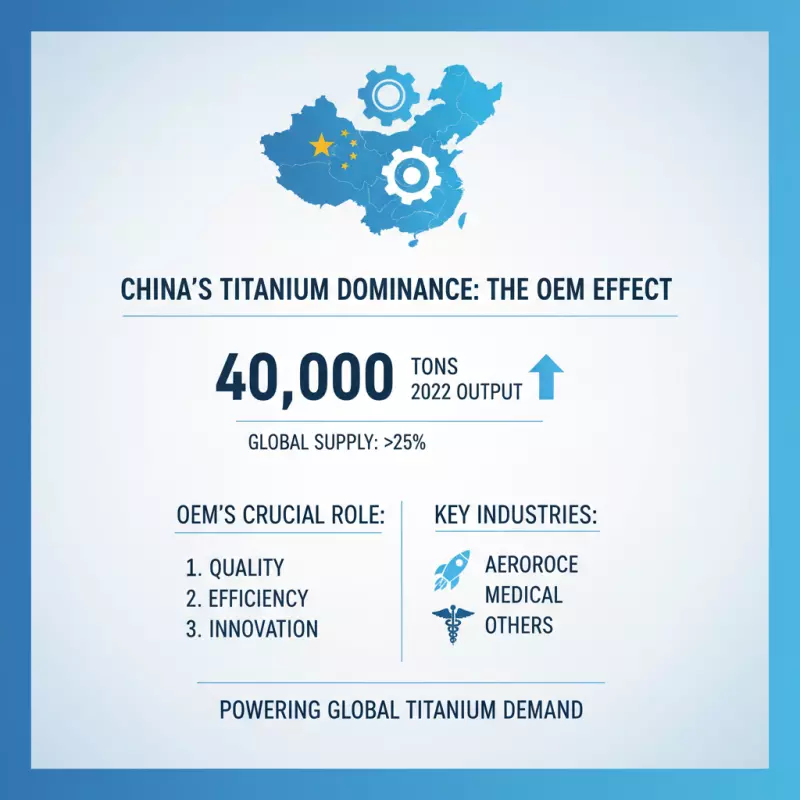
OEM (Original Equipment Manufacturer) plays a crucial role in China’s titanium production. The country stands as one of the largest producers of titanium products globally. In 2022, China’s titanium output reached approximately 40,000 tons, contributing to over 25% of the global supply. OEM factories focus on quality, efficiency, and innovation, helping to meet the rising demand for titanium in various industries, including aerospace and medical.
One significant aspect is the rapid growth of titanium’s application. The lightweight yet strong properties make it ideal for manufacturers. Recent data indicates that the aerospace sector alone accounts for over 30% of titanium consumption. However, challenges persist. Price volatility and fluctuating raw material costs can impact production stability. Additionally, some OEMs still face quality control issues, leading to discrepancies in product standards. This highlights the need for enhanced quality assurance practices.
The trade dynamics also play a role. Trade policies can influence material sourcing and OEM operations. For instance, tariffs can escalate costs for raw materials and manufacturing. As the industry evolves, factories must adapt to these changes. This requires ongoing investment in technology and processes to maintain competitiveness in the global market. The emphasis on sustainability is also emerging, with manufacturers exploring eco-friendly practices.
Understanding Titanium Black Tubes: Characteristics and Applications
Titanium black tubes have gained popularity due to their unique characteristics. Their strength-to-weight ratio is remarkable, making them ideal for various applications. Typically, they are used in aerospace and medical devices, where durability and lightweight properties are crucial. Reports indicate that the market for titanium alloys is expected to reach $7.86 billion by 2026. This growth underscores the increasing importance of materials like titanium in modern manufacturing.
The black finish of titanium tubes, primarily achieved through PVD (Physical Vapor Deposition) processes, enhances corrosion resistance. This property is vital for long-term use in harsh environments. Additionally, black PVD coatings provide aesthetic appeal, widely sought after in design-centric industries. However, manufacturers face challenges, such as ensuring uniform coating during production. Inconsistent quality can affect performance and customer satisfaction.
Experts highlight that OEM factories in China have a significant impact on production volumes and pricing for titanium black tubes. These factories are pivotal in supplying both domestic and international markets. Nonetheless, their rapid growth raises questions about sustainability and labor practices. Striking a balance between cost and ethical standards is essential for long-term viability. The industry is at a crossroads of innovation and responsibility, demanding careful consideration from all stakeholders.
What is OEM China Titanium Black Tube Factories and Their Impact? - Understanding Titanium Black Tubes: Characteristics and Applications
| Characteristic | Details | Applications |
|---|---|---|
| Material Composition | Titanium alloy, typically Ti-6Al-4V | Aerospace, medical implants |
| Surface Treatment | Black anodizing or coating | Marine applications, automotive parts |
| Weight | Lightweight | Sporting goods, bicycles |
| Corrosion Resistance | High | Chemical processing, marine environments |
| Thermal Conductivity | Low | Electronics, heat exchangers |
Key Players in China's Titanium Black Tube Manufacturing Industry
China’s titanium black tube manufacturing industry is rapidly growing. Several key players consistently innovate and expand their production capabilities. They focus on quality and meet international standards. These manufacturers play a vital role in the global supply chain. They provide essential materials for various applications, from aerospace to medical devices.
Shanghai and Beijing host some of the largest factories. These facilities utilize state-of-the-art technology. They ensure precision and efficiency in their production processes. While many companies strive for excellence, some struggle with quality control. Instances of inconsistent product quality remind manufacturers to prioritize their practices. Companies are exploring the relationship between titanium black tubes and Titanium Gold Stainless Steel Tube for enhanced durability.
Sustainability is increasingly becoming a focus. Some factories are adopting greener practices. They aim to reduce waste and minimize their environmental impact. However, transitioning to sustainable methods poses challenges. Not every manufacturer is equipped for this shift. As China leads in titanium black tube production, the industry faces scrutiny over its practices and long-term viability. The balance between growth and sustainability remains a critical area for reflection.
Impact of OEM Practices on Quality and Cost in Titanium Tube Production
In the realm of titanium tube production, OEM practices significantly influence both quality and cost. Chinese factories often adopt OEM methods to optimize manufacturing processes. This approach can lead to varying quality levels, as the expertise of different factories directly impacts the end product. While some factories excel in precision, others may struggle with consistency.
Cost reduction is another notable effect of OEM practices. By outsourcing certain production aspects, firms can lower expenditures. This can be beneficial for companies looking to maintain competitive pricing. However, lower costs often come with trade-offs, such as reduced material quality or longer lead times. Potential buyers must weigh these factors carefully.
Tips: When choosing an OEM factory, verify their certifications. This ensures compliance with quality standards. Additionally, request samples before committing to bulk orders. Knowing the factory’s production capabilities can save future headaches. Quality assurance should always remain a priority.
Environmental Considerations in Titanium Tube Manufacturing in China
The production of titanium tubes in China has undergone significant scrutiny due to environmental impacts. The process involves various stages that can produce waste and emissions. Concerns are rising about the carbon footprint of titanium manufacturing. In 2021, reports indicated that titanium production was responsible for approximately 2.5% of industrial CO2 emissions in China. This statistic points to the industry’s responsibility in addressing environmental issues.
Factories often rely on processes that can be energy-intensive. Some manufacturers have begun adopting cleaner technologies. However, certain methods still release heavy metals and waste materials. Around 15% of titanium manufacturing facilities in China have not yet switched to eco-friendly alternatives. This raises questions about sustainability practices in the industry.
In addition to production waste, water usage is significant. Studies show that titanium production can consume over 2,500 cubic meters of water per ton. This excess water usage places a strain on local resources. As the demand for products like the Gold Ss Tube grows, so too does the necessity for environmental accountability. Transparency and technology in manufacturing are key to ensuring a balance between industry growth and ecological preservation.
Market Trends and Future Prospects for Titanium Black Tubes
The titanium black tube market is undergoing significant changes. These tubes are gaining attention in various industries, from aerospace to automotive. As manufacturers seek lightweight and durable materials, titanium black tubes provide an excellent option. Their corrosion resistance and strength contribute to their popularity.
Currently, the trend is moving towards sustainable manufacturing practices. Factories in China are innovating to reduce waste and energy use. This focus on eco-friendliness appeals to many consumers and businesses. Moreover, the cost of production in China remains competitive. However, there are concerns over quality control and consistent standards. These issues may lead to variability in the final products, impacting market growth.
Looking ahead, advancements in technology could play a crucial role. New manufacturing techniques may enhance the performance of titanium black tubes. Companies must stay aware of market demands and regulatory changes. The future appears promising, yet maintaining quality remains a challenge. Collaboration among factories and stakeholders may be essential for success.
Challenges Faced by Chinese OEM Factories in the Global Market
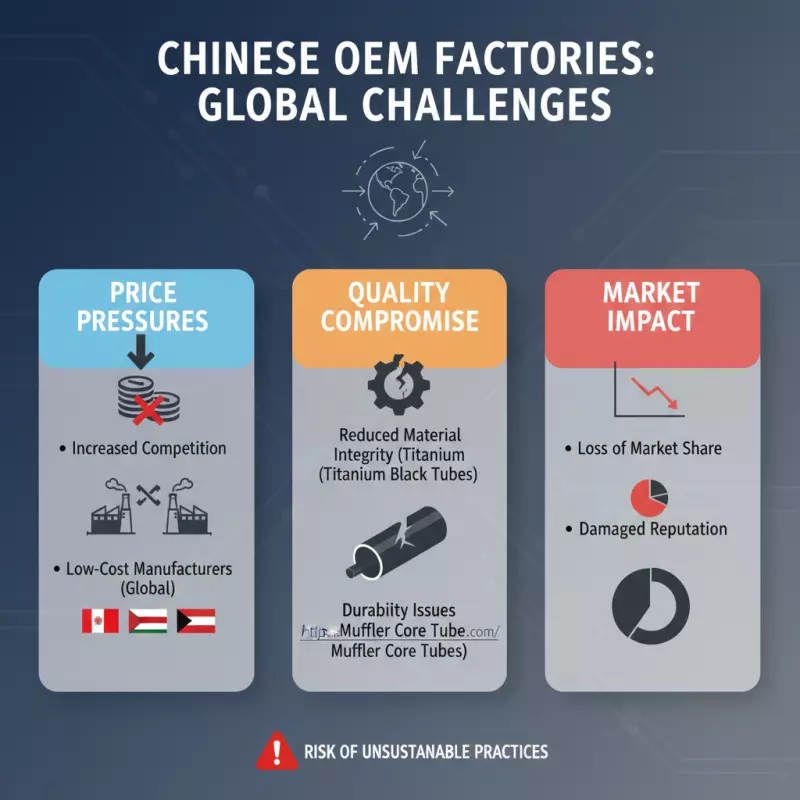
OEM factories in China, especially those producing titanium black tubes, face significant challenges in the global market. Increasing competition from low-cost manufacturers in other countries has led to price pressures. This often forces these factories to compromise on quality. Maintaining the integrity of products like Muffler Core Tubes becomes difficult. The pressure for lower prices can drive corners to be cut, impacting durability.
Moreover, strict compliance with international standards adds another layer of complexity. Navigating varied regulations across different regions can be overwhelming. Many OEM factories struggle to adapt their processes to meet these standards. This can lead to delays in production, affecting delivery timelines.
Additionally, the evolving technological landscape demands constant innovation. Factories must invest in updated machinery and training. Yet, many lack the necessary resources or expertise. The challenge lies not only in keeping pace but also in proving reliability to global clients. As the market changes, reflecting on these issues is crucial for sustained growth and improvement.
Maximizing Efficiency and Precision: Insights from Industry Reports on OEM Stainless Steel Tube Fabrication & CNC Machining

In today’s fast-paced manufacturing environment, the demand for efficiency and precision is paramount. Industry reports highlight the importance of adopting innovative solutions in the realm of OEM stainless steel tube fabrication and CNC machining. By leveraging state-of-the-art technology, manufacturers can streamline operations and enhance productivity. One of the standout advancements is the integration of laser cutting, bending, and drilling into a single workflow, allowing businesses to transform raw tubes into finished components swiftly and accurately.
A comprehensive one-stop solution for tube fabrication significantly simplifies the supply chain. Rather than sourcing raw tubes from one supplier and outsourcing machining tasks to another, manufacturers can benefit from a seamless process where both the tube manufacturing and part fabrication occur under one roof. This approach not only reduces logistical costs but also minimizes lead times. With advanced 3D laser cutting machines and CNC benders, manufacturers can create intricate designs such as slotted handrails, drilled furniture frames, and automotive exhaust tips with unmatched precision.
By adopting such streamlined processes, companies can ensure that they remain competitive in the ever-evolving landscape of manufacturing. The focus on maximizing efficiency and precision through cutting-edge technology stands as a testament to the industry’s commitment to meeting the demands of modern assembly lines while transforming challenges into opportunities for growth.
FAQS
What are titanium black tubes known for?
They are known for their remarkable strength-to-weight ratio. This makes them suitable for many applications.
Where are titanium black tubes commonly used?
These tubes are commonly used in aerospace and medical devices. Durability and lightweight properties are crucial in these fields.
How is the black finish on titanium tubes achieved?
The black finish is primarily achieved through PVD processes. This enhances their corrosion resistance.
What challenges do manufacturers face with titanium black tubes?
Ensuring uniform coating during production is a significant challenge. Inconsistent quality can affect product performance.
What environmental concerns are associated with titanium tube production?
The production process can lead to waste and emissions. It’s responsible for a portion of industrial CO2 emissions.
Is water usage significant in titanium production?
Yes, it can consume over 2,500 cubic meters of water per ton. This strains local water resources.
Are manufacturers adopting eco-friendly practices?
Some manufacturers are adopting cleaner technologies. However, many still rely on energy-intensive methods.
What impact do Chinese factories have on the titanium market?
They significantly influence production volumes and pricing. Rapid growth raises questions about sustainability and labor practices.
How important is ethical manufacturing in the titanium industry?
It’s essential to balance cost and ethical standards. Innovation must align with responsible practices for long-term viability.
What role does transparency play in titanium manufacturing?
Transparency is key to ensuring environmental accountability. It helps balance industry growth with ecological preservation.
Conclusion
The article explores the vital role of Original Equipment Manufacturing (OEM) in China, particularly in the production of Titanium Black Tubes. It outlines the characteristics and various applications of these tubes, emphasizing their significance in industries such as aerospace and medical equipment. The piece identifies key players in China’s manufacturing landscape and discusses how OEM practices influence both the quality and cost of titanium tube production.
Additionally, the article addresses environmental considerations in titanium manufacturing, reflecting the growing concern for sustainable practices in this sector. Market trends and future prospects highlight the increasing demand for Titanium Black Tubes, pointing to a robust growth trajectory. However, the article also acknowledges the challenges faced by Chinese OEM factories in the global market, including competition and compliance with international standards. Overall, the landscape for Titanium Black Tubes in China is evolving, driven by innovation and strategic adaptations in manufacturing practices.