




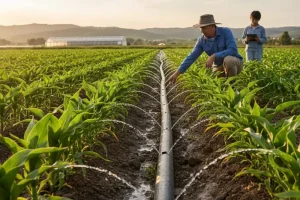
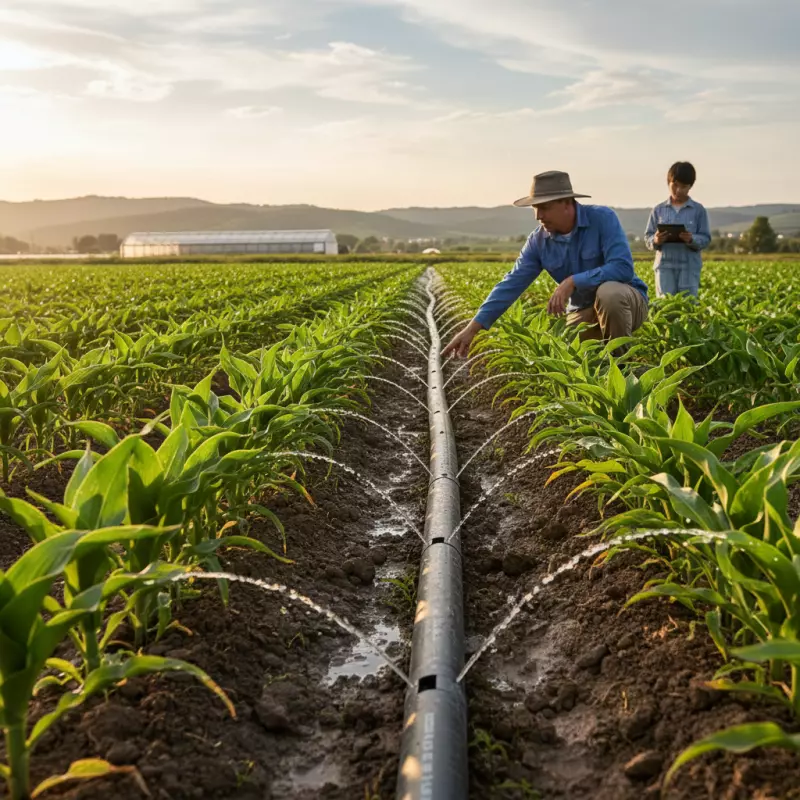
You know, with the growing push for more efficient farming practices, it’s no surprise that innovative solutions like the Slotted Irrigation Pipe are gaining popularity. They really make a difference when it comes to managing water for your crops—giving just the right amount of water while cutting down on waste. I remember Dr. Emily Chen, who’s pretty much an expert in irrigation tech, mentioning that “Slotted Irrigation Pipes help farmers use water more smartly, and that can lead to better crop yields.” That’s pretty cool, right?
In today’s world, where water isn’t exactly unlimited, these pipes stand out as a smart choice. They deliver water right to the roots, which is so important for healthy plants. It’s all part of this big shift towards farming that’s more sustainable and mindful of resources. Plus, using such systems can really cut back on runoff and save water overall. But, let’s be real, it’s not all smooth sailing. Installing and maintaining these pipes can be a bit tricky—there’s definitely a bit of a learning curve, and that might slow down some farmers from jumping right in.
Thankfully, companies like GreenFlow Irrigation are stepping up, offering top-quality Slotted Irrigation Pipes. Still, it’s important to remember that understanding your local conditions and what your crops specifically need makes a big difference. When done right, this kind of approach can lead to a more resilient and sustainable farming future—helping farmers be more productive while taking care of the planet, too.
Overview of Slotted Irrigation Pipes in Agriculture
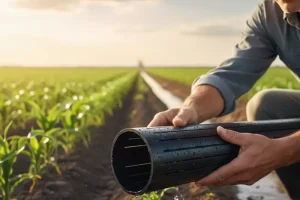
Slotted irrigation pipes have become a vital tool in modern agriculture. These pipes allow water to flow directly to the plant roots, promoting efficient water use. Their design includes small slots that permit water infiltration into the soil. This targeted watering can lead to considerable savings in water resources. Farmers find slotted pipes particularly useful in regions facing water scarcity.
Implementing slotted irrigation requires understanding soil types and crop needs. Different soils absorb water at varying rates. Farmers may need to adjust their irrigation practices based on local conditions. While slotted pipes are effective, they come with their complexities. Incorrect installation can lead to uneven water distribution. Regular maintenance is crucial to ensure optimal performance.
Despite their advantages, some challenges remain with slotted pipes. Over time, sediment can clog the slots, leading to inefficiency. This issue necessitates periodic cleaning, which can be labor-intensive. Awareness of these limitations is essential for maximizing the benefits of slotted irrigation. Therefore, careful planning and regular monitoring are key to making the most out of this irrigation technology.
Benefits of Using High-Quality Slotted Irrigation Pipes
In the world of modern agriculture, using high-quality slotted irrigation pipes can make a significant difference. These pipes enhance water distribution efficiency, ensuring each crop receives an adequate supply. Unlike traditional methods, slotted pipes offer a superior design that allows for better water flow. This results in healthier plants and higher yields.
One key benefit is reduced soil erosion. Water delivered through slotted pipes is distributed evenly, minimizing the risk of runoff. This method also conserves water, an essential factor in environmentally conscious farming. Investing in high-quality materials can lead to long-term savings on water and maintenance costs.
Tips for selecting the right slotted irrigation pipes: Consider the pipe’s material durability. PVC and polyethylene are common choices due to their resilience. Check the slot size to ensure it matches your specific irrigation needs. Regularly inspect your system for clogs or damages to maintain efficiency. Sustainable practices start with equipment that promotes optimal resource use.
Key Features of Efficient Slotted Irrigation Systems
Slotted irrigation systems play a vital role in modern agriculture. These systems feature perforated pipes that distribute water evenly to crops. They reduce water usage significantly, which is crucial in regions facing water scarcity. According to a report by the Food and Agriculture Organization (FAO), efficient irrigation could reduce agricultural water consumption by up to 50%. This reduction benefits both farmers and the environment.
The design of slotted irrigation pipes allows for efficient moisture retention in the soil. Studies reveal that plants irrigated with such systems show a 30% increase in yield compared to traditional methods. The key features include durability, flexibility, and ease of installation. However, one must consider that clogs can occur if debris enters the system. Regular maintenance is essential to prevent this issue.
Moreover, the effectiveness of slotted pipes hinges on proper spacing and alignment. Incorrect setup can lead to uneven water distribution. Research indicates that minor adjustments in alignment can influence crop health significantly. Farmers must understand local soil types and crop needs to optimize use. Though advancements are promising, continuous evaluation of these systems’ performance is necessary for sustainable agricultural practices.
China Top High-Quality Wholesale Slotted Irrigation Pipe for Efficient Agriculture
| Feature | Description | Benefits | Applications |
|---|---|---|---|
| Material | High-density polyethylene (HDPE) | Durability and corrosion resistance | Agricultural fields, gardens |
| Design | Slotted holes for uniform water distribution | Efficient moisture delivery to plants | Row crops, orchards |
| Diameter Options | Various diameters available (e.g., 25mm, 32mm, 50mm) | Customizable for different soil types | Various crop types |
| Installation | Easy installation with minimal tools | Reduces labor costs | Small to large scale farming |
| Water Savings | Up to 50% more efficient than traditional methods | Lower water bills and environmental impact | Irrigation systems |
Comparison of Slotted Irrigation Pipes: Quality and Performance
When evaluating slotted irrigation pipes, several factors come into play. Quality is crucial for ensuring effective water distribution. High-quality materials resist wear and tear, while also providing durability. In contrast, lower-quality pipes may degrade faster, causing leaks and inefficiencies. Irrigation systems depend on reliable performance, particularly in agriculture. Poor choices can lead to crop failure or wastage of resources.
Another important aspect is the design of the slots. Wider slots allow for a greater flow of water, but can also increase the risk of clogging. Conversely, narrower slots may prevent sediment buildup but can restrict water flow. Gardeners must balance these factors based on their specific needs. It’s a challenge that requires careful consideration.
Farmers often reflect on their experiences with different pipe types. Some may find themselves facing unexpected issues. Regular maintenance can help mitigate these problems, but the effectiveness of the initial choice is undeniable. A wise selection of slotted irrigation pipes can lead to significant improvements in crop yield and resource management.
Manufacturing Standards for Slotted Irrigation Pipes in China
When discussing manufacturing standards for slotted irrigation pipes in China, it’s vital to note the stringent guidelines. The Chinese government has established comprehensive standards to ensure quality, durability, and performance. Reports indicate that proper manufacturing standards can enhance water distribution efficiency by up to 35%. This highlights the importance of adhering to national guidelines for product integrity.
Additionally, the materials used in crafting these pipes play a crucial role. High-density polyethylene (HDPE) is commonly utilized due to its resistance to corrosion and impact. However, not all manufacturers maintain the same level of material quality. A recent industry analysis revealed that subpar materials can lead to a 15% decrease in pipe lifespan. This situation demands that buyers pay close attention to the certifications and specifications provided by manufacturers.
Moreover, inspection and testing procedures are essential in the production process. Pipes must undergo rigorous testing to adhere to national quality standards. Despite these measures, there remain instances where products fail to meet expectations, leading to potential losses for farmers. In such a competitive market, continual improvement in quality checks is imperative for the industry’s sustainability.
Sustainable Agricultural Practices with Slotted Irrigation
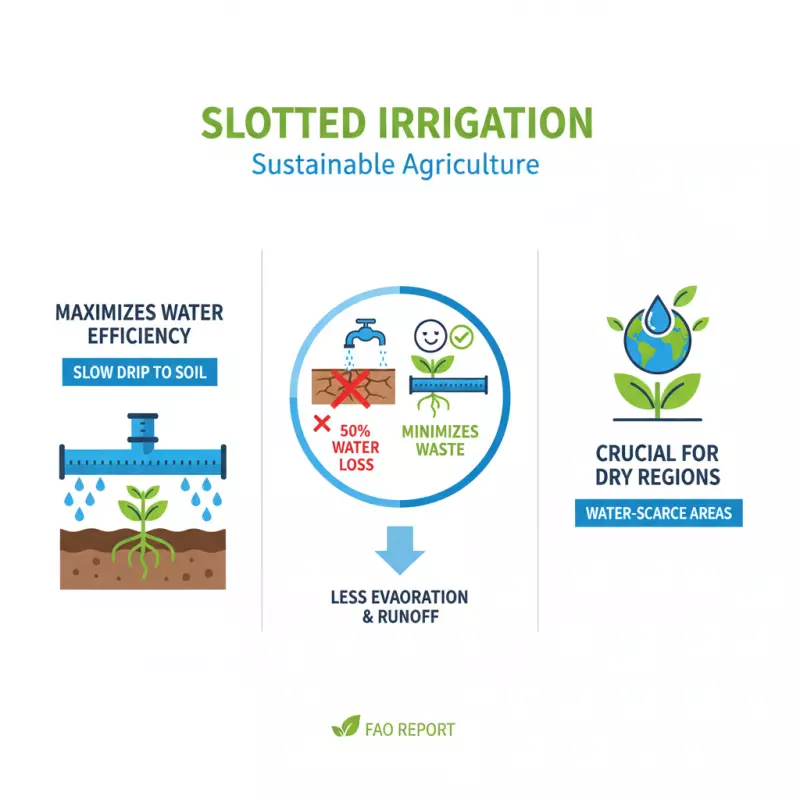
Slotted irrigation pipes are becoming essential for sustainable agriculture. They allow water to drip slowly into the soil. This method maximizes water efficiency and reduces waste. According to a report by the Food and Agriculture Organization (FAO), traditional irrigation methods can result in up to 50% water loss. In contrast, slotted irrigation systems minimize evaporation and runoff. This technology is vital in water-scarce regions.
Moreover, slotted irrigation enhances soil health. By providing a consistent moisture level, plants can grow stronger. A study published in Agricultural Water Management revealed that farms using this method saw a 25% increase in crop yield. Farmers reported reduced soil erosion and improved nutrient absorption. The practice supports ecological balance while meeting food demand.
There are challenges, however. Initial installation costs can be high. Maintenance also requires careful attention to avoid clogging. Not all soils are suitable for this system. Farmers need to assess their specific conditions. Adaptive management is crucial for success. Educating farmers about efficient practices is equally important. The road to sustainable agriculture is complex but essential for future food security.
Future Trends in Slotted Irrigation Technology and Innovation
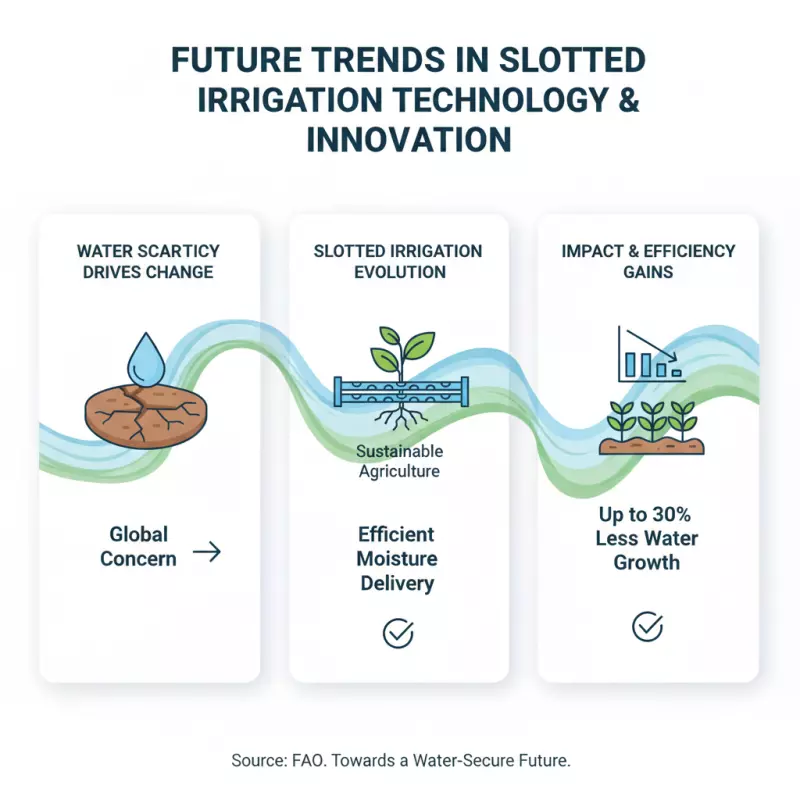
Slotted irrigation technology is evolving rapidly, driven by the need for sustainable agriculture. With water scarcity becoming a global concern, farmers must adopt efficient irrigation methods. Data from the Food and Agriculture Organization indicates that modern irrigation practices can reduce water usage by up to 30%. This is critical for crops that require consistent moisture levels throughout their growth cycles.
Future trends suggest an increased focus on smart irrigation systems, leveraging data analytics and IoT technologies. These systems can monitor soil moisture and weather conditions in real-time, allowing for precise water application. However, some challenges remain. The initial investment for advanced systems can be high, and ongoing maintenance requires skilled labor, which might not be readily available in rural areas.
There’s also a push towards eco-friendly materials in pipe production. Biodegradable or recycled materials could enhance sustainability. Yet, the long-term durability of these materials needs further research. Adopting slotted irrigation systems may pose difficulties for traditional farmers. Transitioning from conventional methods to innovative technologies requires both education and support. While the benefits are clear, the path to widespread adoption is fraught with issues that need careful consideration.
FAQS
What are the main advantages of using slotted irrigation pipes?
They improve water distribution, reduce soil erosion, and conserve water resources.
How do slotted pipes compare to traditional irrigation methods?
Slotted pipes allow better water flow, leading to healthier plants and higher yields.
What materials are recommended for slotted irrigation pipes?
PVC and polyethylene are durable options commonly used in agriculture.
Why is regular maintenance crucial for slotted irrigation systems?
Clogs can occur from debris, affecting water distribution efficiency and crop health.
How does proper alignment affect slotted irrigation pipe effectiveness?
Incorrect setup can cause uneven water distribution, leading to poor crop growth.
What future trends are expected in slotted irrigation technology?
There will be a focus on smart systems using data analytics and IoT for better monitoring.
Are eco-friendly materials being considered for irrigation pipes?
Yes, biodegradable or recycled materials are being explored, but long-term durability needs study.
What challenges do farmers face when adopting new irrigation technologies?
High initial costs and the need for skilled labor can hinder widespread adoption.
How does crop yield benefit from slotted irrigation systems?
Studies show a 30% increase in yield compared to traditional irrigation practices.
What factors should be assessed to select the right slotted irrigation pipe?
Consider material durability, slot size, and specific irrigation requirements for optimal performance.
Conclusion
Slotted irrigation pipes are crucial for enhancing agricultural efficiency, providing a controlled method for water distribution to crops. Their design allows for optimal water infiltration while minimizing soil erosion and nutrient runoff. The use of high-quality slotted irrigation pipes offers numerous benefits including improved crop yield, reduced water wastage, and enhanced soil health, supporting sustainable agricultural practices.
Key features of efficient slotted irrigation systems include durability, resistance to clogging, and adaptability to various soil conditions. A comparison of these pipes highlights the importance of quality and performance in achieving effective irrigation solutions. As manufacturing standards in China continue to evolve, future trends in slotted irrigation technology promise innovation geared towards efficiency and sustainability, further promoting responsible agricultural practices.